
Cardiovascular diseases are the most frequent cause of death globally. They have become a widespread disease and that has to do with the time in which we live. We often work too much, sleep too little, eat unhealthily and forget to exercise sufficiently. Often we do not notice that our body is sending us signals. Unfortunately, many people ignore the signals or do not recognize them in time. Heart problems can cause several symptoms. The following list presents 30 warning signs that can indicate a serious cardiovascular disease. If that is the case, then you should go straight to the doctor.
Fatigue
Fatigue is not only a result of not getting enough sleep, it can also indicate heart disease. In the event of a cardiac arrest, the amount of blood is reduced and so the heart has to intensify its work. As a result, one is tired both day and night. So if you notice that you are tired all the time and for no particular reason, then a visit to the doctor would be advisable. Fatigue can also be an indication of another illness.

Fatigue
Fainting
Frequent fainting is certainly something that is abnormal. If you often struggle with it, you should see a cardiologist immediately, as it can be an indication of a heart disease. Loss of consciousness is caused by intense physical exertion, pain, or dehydration. The causes can be varied, but it can also be an indication of a heart problem. This is usually associated with falling blood pressure, which leads to a lack of oxygen in the blood, which in turn leads to fainting. You should take it seriously and definitely consult a doctor.

Fainting
Rapid Weight Gain
Anyone who finds that they have put on a lot of weight lately should reflect whether it could be due to too much food or whether it could be an indication of a heart problem. With heart disease, one of the symptoms is fluid build-up in the body. This leads to swelling and flatulence, which are noticeable as weight gain. If you notice this symptom, it is advisable to write down what you eat daily. This is how you can tell whether the increase is diet-related or not.

Rapid Weight Gain
Nausea And Loss Of Appetite
Another sign of the risk of heart disease can also be nausea, indigestion, and loss of appetite. If this type of complaint is new, it is advisable to observe it and, if necessary, to consult a doctor. The heart is not always the problem, but another disease can also cause these symptoms, such as gastritis. However, it can also be a sign of pregnancy. The doctor knows best.

Nausea And Loss Of Appetite
Irregular Heartbeat
Palpitations can have many causes. Often it is an adrenaline rush or a change in mood that is behind it. However, anyone who feels that their heartbeat is more often irregular should urgently have this examined. The medical term for an irregular heartbeat is arrhythmia. It is important to take the problem seriously because if left untreated, an arrhythmia can lead to a stroke. It is advisable to consult a doctor if you experience this symptom.

Irregular Heartbeat
Persistent Coughing
Stubborn cough can be annoying. Many do not take this seriously, but prolonged coughing can indicate heart disease. When the heart has trouble getting blood to the body, it can get to the lungs and cause a persistent cough. If you have a cough with sputum, you should definitely pay attention to the color. One should be careful with pink-white sputum. If the cough intensifies at night from lying down, this is another warning sign of heart disease.

Persistent Coughing
Cold Sweat
Cold sweats are a warning sign from the body. Usually, the body regulates its temperature by sweating. When you sweat excessively, the heart works harder and pumps more blood through the arteries. Anyone who frequently suffers from cold sweats should not hesitate to consult a doctor as soon as possible. Cold sweats can be a sign of not only heart disease, but also an infection, cancer, or neurological disease. Medication or stress can also cause cold sweats.

Cold Sweat
Swelling Of The Legs
Swollen legs are bothersome and painful. It is not uncommon, especially in summer. However, if you often suffer from swollen legs, you should keep this in mind, because it can be an indication of a heart disease. Edema is often due to fluid retention. Often the legs and feet are most affected because they are furthest from the heart and that is where the blood circulates first. If the swelling does not go away or even worsens, you should see a doctor immediately.

Swelling Of The Legs
Sleeping Disorder
In most cases, sleep disorders are treatable and harmless. In many cases, however, a heart problem can also be the cause. It is therefore important to take insomnia seriously because lack of sleep can lead to many diseases. For people who have problems falling asleep or staying asleep, it is advisable to consult a doctor. Difficulty breathing while sleeping can indicate fluid in the lungs. Chest pain can also often be the cause of palpitations.

Sleeping Disorder
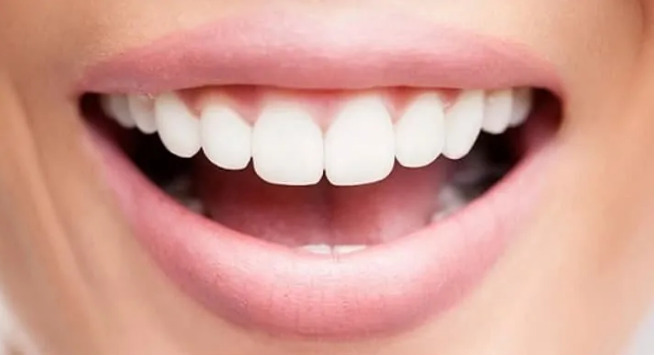
Inflammation of the gums
Usually, gingivitis is not a cause for concern. However, if the pain in the mouth accumulates, it should be checked by a dentist. Often, heart problems can be a cause. It initially manifests itself with an inflamed palate, which is an indication of batteries in the bloodstream. The bacteria can cause blood clots. What many do not realize is that dental and heart health are often interrelated. Dental health can affect the whole body, so it is important to have your teeth checked regularly.
Inflammation of the gums
Snoring
You usually don’t even notice that you are snoring. Only the people around you point it out. Sleep apnea is the medical term for it. It’s not uncommon now. The heart stops for a moment and then resumes its normal beat. Those affected do not notice anything and precisely because of this, it is important to be vigilant and to go to the doctor once too much rather than too little. If recognized early, a heart problem can also be treated.

Snoring
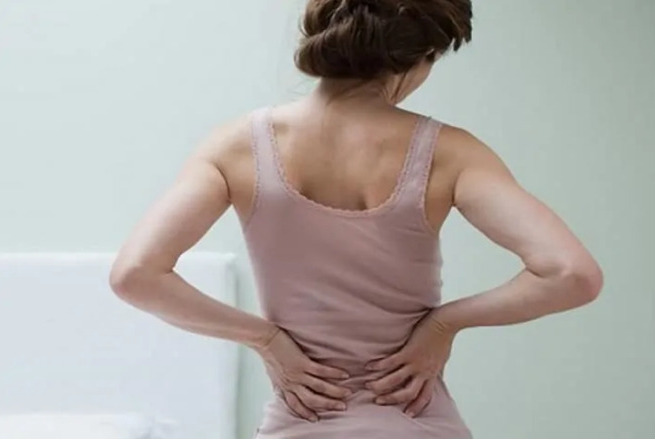
Pain In The Upper Body And Arms
Often the first thought, when there is pain in the upper body and arms, is that there is tension. But it can also be a sign of a heart attack. There is no specific point at which the pain of a heart attack begins. It depends on the affected area, then the pain usually radiates to the left, but often also to the right arm. You can often feel the pain in your mouth or back. The signs of a heart attack are often more difficult to read in women than in men.
Pain In The Upper Body And Arms
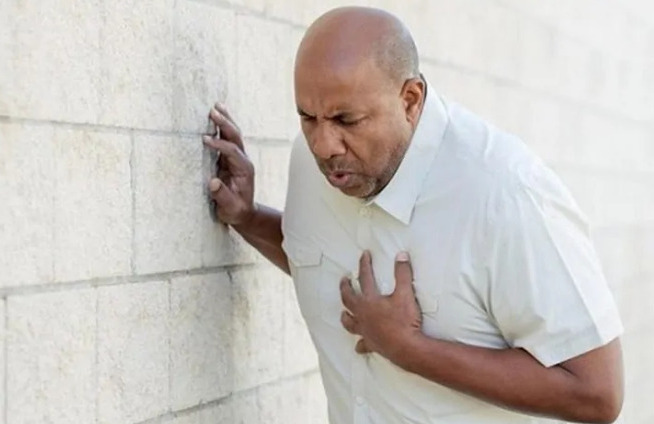
Shortness Of Breath
Many think the shortness of breath has something to do with being overweight. However, it does not have to be. If you get short of breath, even though you did not do anything particularly exhausting, this could be a sign of a panic attack or a heart attack. If the airways and the cardiovascular system are not working together in a balanced way, then it can be a warning sign of an existing or impending heart problem. In this case, the lungs lack air and it is difficult to breathe.
Shortness Of Breath
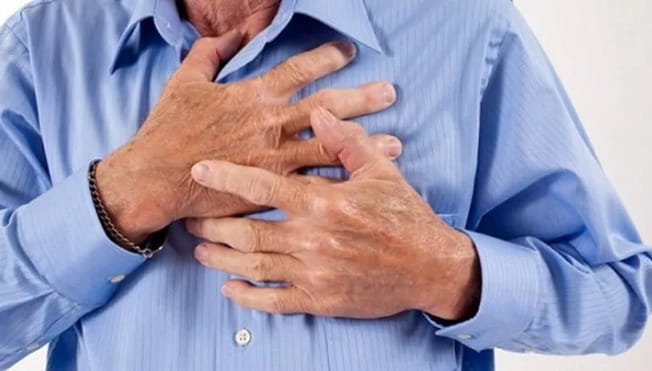
Chest Pain
Chest pain is one of the classic warning signs of heart disease or a heart attack. If the pain is accompanied by difficulty breathing, then the greatest caution should be exercised. If the pain comes suddenly and without warning, it is best to go to the emergency room immediately. The pains are different. A feeling of tightness or burning pain can also occur. If the symptoms appear in a resting state and last for a few minutes, then this can be rated as a heart attack. Immediate medical attention is vital.
Chest Pain
Open Wounds On The Feet
Open wounds should always be treated as they can become infected quickly. Care should be taken if the wounds or ulcers do not heal on their own or are difficult to heal. This can be a sign of aorto-iliac disease. It is a blockage of the aorta. This disease can lead to ischemia, which means a decrease in blood and oxygen supply to tissues. This can result in tissue death and, in the worst case, loss of a limb.

Open Wounds On The Feet
Pain In The Toes
Toe pain may seem harmless at first, but it is not. If you have pain in your toes when you are resting and it is definitely not due to tight shoes, then you should get to the bottom of the cause. It can also be a sign of aortoiliac occlusive disease. The best thing is to clarify the symptoms with the doctor and rule out a heart problem. This is the only way to treat a serious illness in time.

Pain In The Toes
Cramps In The Thighs And Buttocks
Magnesium deficiency is often the cause of cramps. Cold or intense, extreme exertion can also lead to cramps. Often, however, there is also a heart disease behind it. If you feel severe pain or cramps in your thighs, buttocks or calves during normal walking, you should, to be on the safe side, see a doctor. It can also be a sign of aortoiliac occlusive disease, according to the University of Pittsburgh Medical Center (UPMC). A doctor can provide certainty here.

Cramps In The Thighs And Buttocks
No Hairgrowth On The Legs
A lack or poor hair growth on the legs can be a sign of peripheral arterial disease. This is a circulatory disease in which plaque builds up in the arteries and reduces blood flow to the limbs. One symptom of this is hair loss on the legs, according to the McLeod Health Service in South Carolina. So if you find that your hair is suddenly falling out, it can be a sign of heart disease.

No Hairgrowth On The Legs
Sputum When Coughing
Frequent coughing, with sputum, can be a symptom of an illness. Here it depends on the color of the sputum. If the color is pinkish-white, it could indicate a build-up of fluid in the lungs. It’s a common warning sign of heart disease, according to the American Heart Association. Often it is just a simple cold, but to be really sure, you should consult a doctor. They will do tests to find out the cause of the discomfort and rule out the worst.

Sputum When Coughing
Interrupted Sleep
If you get up often at night to go to the toilet, you should try not to drink too much before sleeping, but it is important to keep an eye on the problem. If it doesn’t get better, a doctor should be consulted. According to the Mayo Klinik, an increased urge to urinate is a symptom of heart failure. To rule this out, you should go to the doctor for a check-up and not ignore it.

Interrupted Sleep
Chest Discomfort
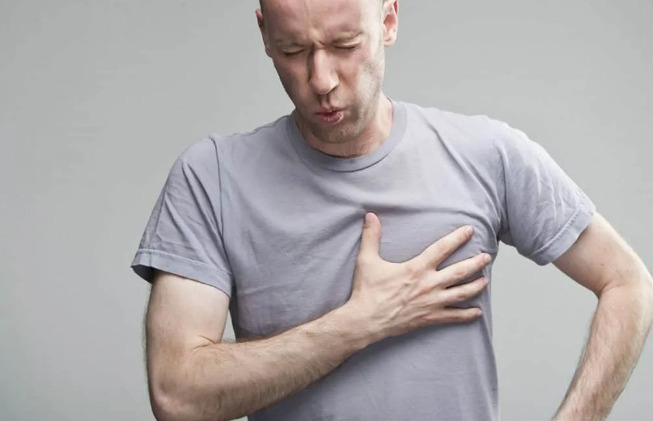
Chest discomfort can be caused by several causes. Reflux, after eating fatty foods, for example. However, if the chest discomfort persists, it can also be a harbinger of an impending heart attack. The American Heart Association recommends that you see a doctor or even the emergency room as a precaution instead of waiting for the pain to go away on its own. It is easy to overlook the signs of a heart attack and help often comes too late.
Chest Discomfort
Erectile dysfunction
Erectile dysfunction can be very stressful for men. One cause of erectile dysfunction can be a heart problem. Harvard Medical School explains that an erection requires an extra blood supply. If the arteries are calcified, the blood flow is interrupted. If you or your partner suffer from erectile dysfunction, it is important and advisable to consult a doctor. If necessary, he will refer you to a specialist. Treated in good time, other diseases can also be ruled out.

Erectile dysfunction
Confusion And Forgetfulness
Forgetfulness and confusion can have many causes. The American Heart Association states that levels of certain chemicals in the blood can cause changes in sodium levels. This leads to confusion and also memory loss. Malnutrition, fatigue, and lack of vitamins and minerals can also cause the problem. Of course, it is better to rule out heart disease and to consult a doctor, because only he can carry out the necessary tests to rule out or avoid worse.

Confusion And Forgetfulness
Sleep Apnea
Forgetfulness and confusion can have many causes. The American Heart Association states that levels of certain chemicals in the blood can cause changes in sodium levels. This leads to confusion and also memory loss. Malnutrition, fatigue, and lack of vitamins and minerals can also cause the problem. Of course, it is better to rule out a heart disease and to consult a doctor, because only he can carry out the necessary tests to rule out or avoid worse.

Sleep Apnea
Panic Attacks
Heart attacks and panic attacks are easily mistaken because the symptoms are very similar. Both are noticeable through malaise, shortness of breath, fear, tightness in the chest and sweating. The heart rate increases, dizziness and physical weakness are further signs of a heart attack and a panic attack. It is really important to clarify that it is not a heart attack. A professional medical diagnosis can help and the problem, whether it’s a panic attack or something else, can be treated.

Panic Attacks
Sudden Tenderness In The Breast
Chest pressure and pain can be a warning sign of an impending heart attack. With atrial fibrillation, you can feel a dull, painful feeling in your chest. If you feel this, you should see a doctor urgently and as soon as possible. People with atrial fibrillation are at increased risk of stroke. You shouldn’t waste any time and act as quickly as possible. Even if the problem rarely occurs, but recurs, you should contact a doctor.

Sudden Tenderness In The Breast
Difficulty Of Breathing
If you have difficulty breathing, especially when you are resting, this is a serious symptom. At rest, the muscles are relaxed, so you should not feel any discomfort when breathing. If you have breathing problems while sleeping, lying down or even during light activities, you should consult a doctor as soon as possible. According to the American Heart Association, heart disease can be present if the blood pools in the veins because it cannot follow any other flow. This leads to fluid in the lungs and therefore results in heart problems.

Difficulty Of Breathing
Sudden Migraine
Migraines are no longer uncommon. However, migraines can have many causes. What many people do not know is that migraines can also be an indication of heart disease. This type of pain can be indicative of s stroke or even a blood clot. If you suffer from vomiting and dizziness in addition to the pain, then there is no time to lose and you should go to the emergency room immediately. Every minute counts here.

Sudden Migraine
Back Pain
Unfortunately many people today suffer from back pain. It has now become a real widespread disease. However, some do not know that back pain can be an indicator of heart problems. If the pain is in the lower or upper back, or if it starts in the chest, this can be a sign of an impending heart attack. In women, in particular, the symptoms and signs are more difficult to recognize than in men. Regardless of whether you have a heart problem or something orthopedic, only a doctor can really help.
Diet also plays an important role in preventing a heart attack! Read on to find out which foods strengthen your body and protect against a heart attack.

Back Pain
Coffee
Many people don’t feel quite ready for the day if they don’t drink a cup of Joe, and we completely understand. Fortunately for us, studies have shown that moderate coffee intake helps ward off coronary heart disease, strokes, and heart failure! Now, you have the perfect excuse to visit your favorite coffee shop.

Coffee
Cranberries
Everyone knows how refreshing and tasty cranberries are when they are added to juice recipes, but not a lot of people know that the fruit is brimming with antioxidants and nutrients. Yet another super fruit that can reduce the risk of heart disease. What’s more, consuming cranberries effectively prevent stomach ulcers, urinary tract infections, gum disease, and cancer. Even more reason to get yourself some of this tasty superfruit!

Cranberries
Figs
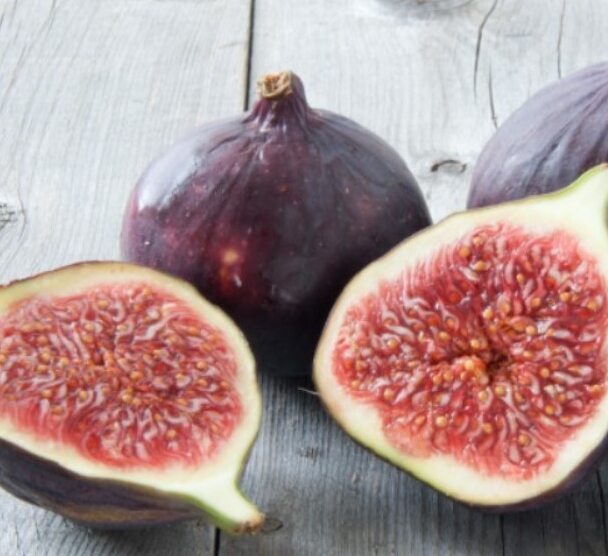
Everyone knows how refreshing and tasty cranberries are when they are added to juice recipes, but not a lot of people know that the fruit is brimming with antioxidants and nutrients. Yet another super fruit that can reduce the risk of heart disease. What’s more, consuming cranberries effectively prevent stomach ulcers, urinary tract infections, gum disease, and cancer. Even more, a reason to get yourself some of this tasty superfruit!
Figs
Flax Seeds
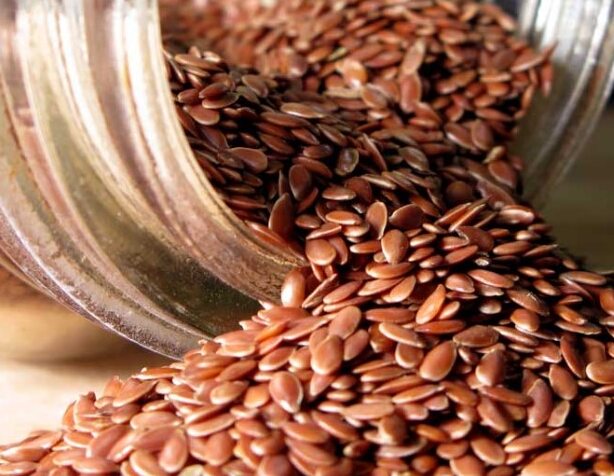
These seeds are gifted with plenty of omega-3 fatty acid, commonly called the good fat. People who don’t really like fish or nuts no longer need to worry about acquiring omega-3 since they can just consume flax seeds, which are bursting with it, instead. Put a tablespoon of flax seeds in your smoothies, fruit bowls, and salads to enjoy the nutrients, antioxidants, and estrogen the superfood has.
Flax Seeds
Red Hot Chili Peppers
Californication is indeed a fantastic album, but the red hot chili peppers is on the list not because of the rock band but because of the feisty little vegetables have capsaicin, which can help lower cholesterol levels and blood pressure. Consuming whole raw peppers will definitely help promote heart health, but you might want to rethink doing it. The guy in the photo below tried to do it but things did not really end well for him…

Red Hot Chili Peppers
Ginger
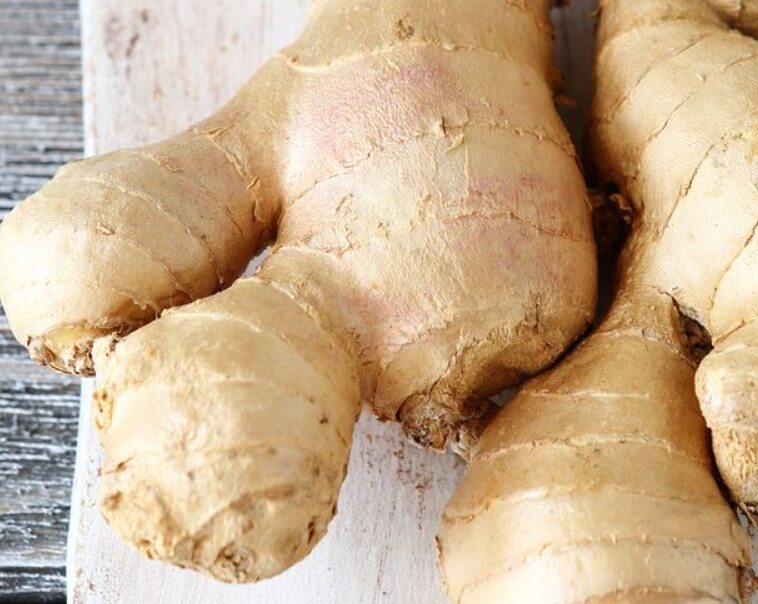
Excellent news for fans of ginger. This cooking spice is more than just its amazing smell and taste. Research shows that it can also keep your heart health in check. Apparently, regular consumption of ginger can help lower the risk of developing high blood pressure and ward off coronary heart disease. What’s more, ginger tastes great in sushi, so you don’t have to feel guilty when you consume a lot the next time you drop by your favorite Japanese food joint.
Ginger
Grapefruit
Grapefruit is so much more than just its refreshing taste and smell as rhe super fruit is also brimming with nutrition! It comes with high levels of vitamin C, potassium, lycopene, fiber, and choline. That’s right – regularly eating grapefruit will certainly improve your cardiovascular health. What’s more, grapefruit is part of the DASH diet, which is nutrition specifically formulated to lower blood pressure.

Grapefruit
Green Tea
Do you want to drink something thirst-quenching? Then, have some green tea, a fantastic super drink which boasts of high levels of antioxidants. The powerful substance help prevent plaque buildup in arterial walls. Aside from that, consuming green tea can lead to a reduction in the amount of triglycerides, cholesterol, and LDL in the body.

Green Tea
Kidney Beans
If you want to improve your stews and soups, then add in some kidney beans! In addition to bringing a unique flavor, kidney beans are excellent additions as these low-fat and high-fiber beans help improve heart health and memory. They are also full of vitamins and minerals including magnesium, folate, and protein. Other health benefits of kidney beans include the reduction of homocysteine and effectively lowering the risk of developing diabetes, heart attacks, strokes, peripheral vascular diseases, and cancer.
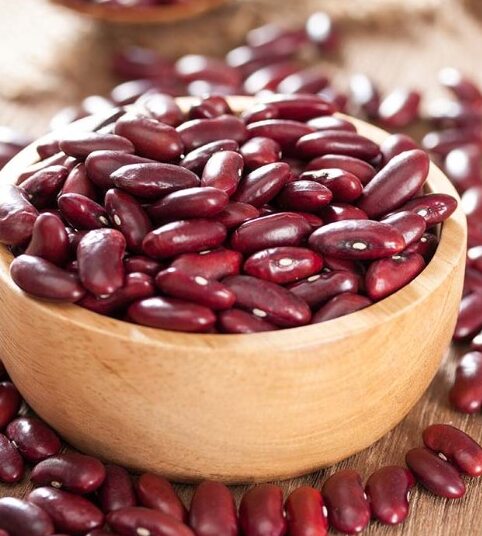
Kidney Beans
Oranges
You can start your new health regimen by getting yourself some oranges. Not only do they quench your thirst in a tasty and refreshing way, but they are also loaded with vitamin C, nutrients, and fiber. The fruit also has a lot of potassium which flushes sodium out of the body, lowers blood pressure, and helps neutralize proteins that are harmful to the heart. The high pectin content of oranges also helps absorb cholesterol in the food that you eat.

Oranges
Kale
This vegetable may not be the easiest to source, but that doesn’t change the fact that kale is one of the cabbage family’s heartiest members. Your hard work in acquiring the vegetable will pay off since it has plenty of nutrients that can promote heart health. In case you didn’t know, kale is heart-boosting thanks to the fiber, antioxidants, and omega-3 fatty acids found in the vegetable. What’s more, it has a low calorie and fat content, making kale the perfect addition to any meal that you cook up! Millennials have fallen in love with kale and perhaps this generation is onto something.
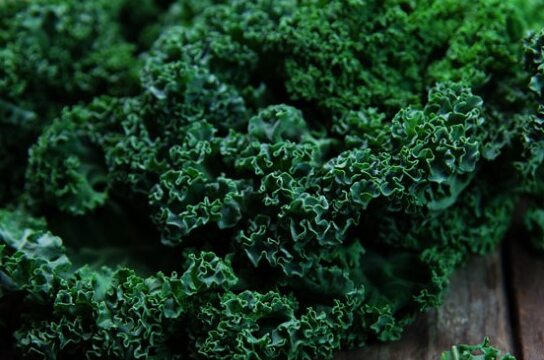
Kale
Garlic
Garlic has risen in popularity owing to rumors that vampires are repelled by it, but not a lot of people are aware of its heart-boosting properties. It has long been used for improving the taste of various dishes, and studies have shown it can also keep your heart health in check. Garlic helps in lowering blood pressure, preventing blood vessel constriction, and reducing plaque buildup in arteries, among other things. If you’re not a fan of its taste, you can consume garlic as a pill!

Garlic
Red Wine
You can now breathe a sigh of relief as you don’t need to get rid of the alcohol in your diet completely. Moderate consumption of red wine help improves your heart’s condition. Adding wine to your meal or drinking a glass of it can lead to blood vessels that are more flexible and subsequently prevent blood clot formation. Aside from these, red wine can lower coronary heart disease risk and help improve HDL levels. Medical professionals recommend this, so who are we to argue with them?

Red Wine
Chocolate
Und gleich noch eine Jubelnachricht. Auch Schokolade ist nicht nur böse. Allerdings ist es der Kakaoanteil der den Benefit ausmacht. Das heißt je dunkler die Schoki, desto besser fürs Schlaganfallrisiko. Dazu darf man auch den psychischen Bonus nicht außer Acht lassen. Schokolade setzt Glückshorme frei! Wie bei allen Leckereien gilt, die Menge machts.

Chocolate
Lentils
Lentils do not only effectively improve whatever dish you are making, but this legume also comes with health benefits. Research shows that a diet rich in lentils, beans, and other legumes can lower the risk of heart disease and strokes. What’s more, lentils are loaded with protein, potassium, and magnesium – components that make the legume effective in lowering blood pressure, decreasing cholesterol levels, and reducing the risk of blood vessel plaque buildup.
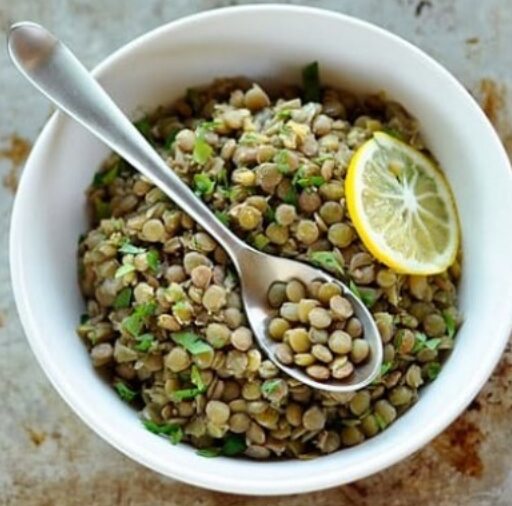
Lentils
Almonds
We don’t know about you, but almonds are our favorite snacks. This nut also boasts of high amounts of nutrients which will be effective in improving cognitive functions and bringing down the risk of heart disease and diabetes. Consuming a handful of almonds can help lower cholesterol, prevent the absorption of harmful LDL and reduce the risk for cardiovascular issues.,
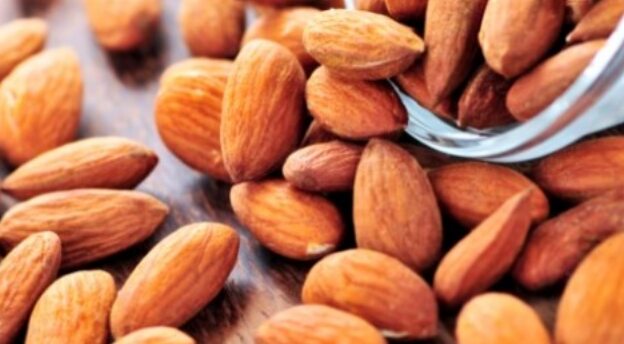
Almonds
Pomegranates
Need a refreshing twist to your salad, shake, or smoothie? Then, be sure to grab some pomegranate. The fruit boasts of a great mix of antioxidants that helps in protecting your artery walls from plaque formation and reducing your risk for heart problems. Studies have shown that consuming this superfood can ward off diabetes, strokes, Alzheimer’s, and prostate cancer. What’s more, it does wonders for the health of your liver, joints, teeth, and skin.
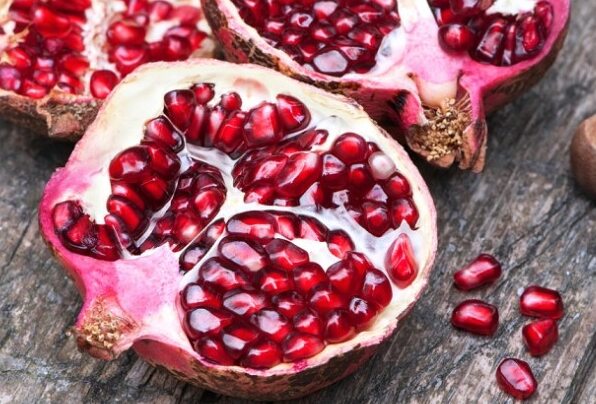
Pomegranates
Blueberries
In case you didn’t know, blueberries contain high amounts of nutrients and antioxidants. According to studies, three servings of the fruit and other berries every week can help lower blood pressure, reduce cholesterol buildup, and eliminate plaque buildup on artery walls. The delicious fruit helps in the prevention of heart disease and cancer as well.
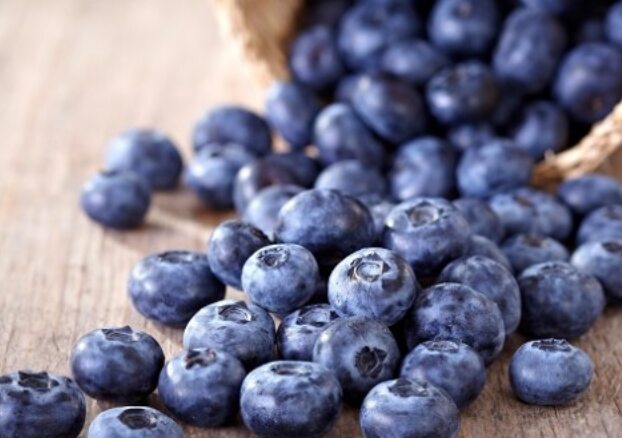
Blueberries
Beets
Beets are colorful, crunchy, and tasty toppings for your salad, and they also contain high levels of vitamins, minerals, and antioxidants, such as betaine and the B-vitamin folate. Did you know that beets also lower homocysteine levels in your body? The superfood is on this list since it ultimately helps lower the risk of heart disease, and it comes with other superpowers including preventing illnesses like and strengthening other organs.
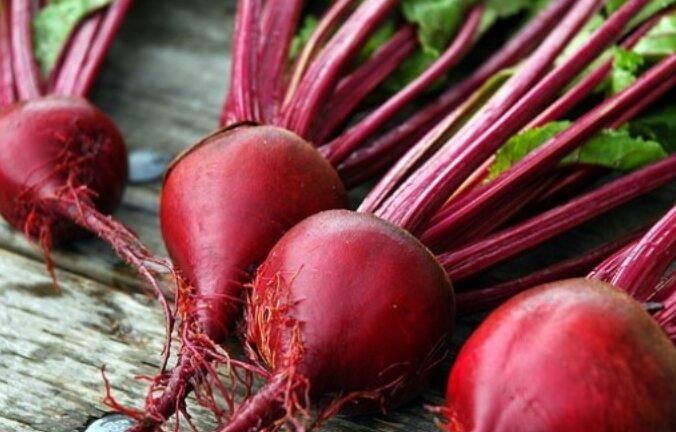
Beets
Salmon
Everyone seems to love calling salmon their favorite fish! This isn’t surprising since it goes well in a salad, sushi, and just about any dish that you can think of. Salmon boasts of omega-3 fatty acids and various nutrients. The ‘chicken of the sea’ is great at reducing triglyceride levels, loosening constricted blood vessels, preventing blood clots, and helping ward off cardiovascular disease.

Salmon