
China has a vital role in supplying the rest of the globe with food. There are several reasons why foods made in China should be avoided. There are various factors involved in how the food is made that may cause many illnesses. Most of us are familiar with wet markets and the many diseases they can bring, from the coronavirus to a lot more types of viruses. Here are some types of foods in China that you should think twice before eating.

You Might Want To Think Twice Before You Eat The Following Food From China
Apple Juice
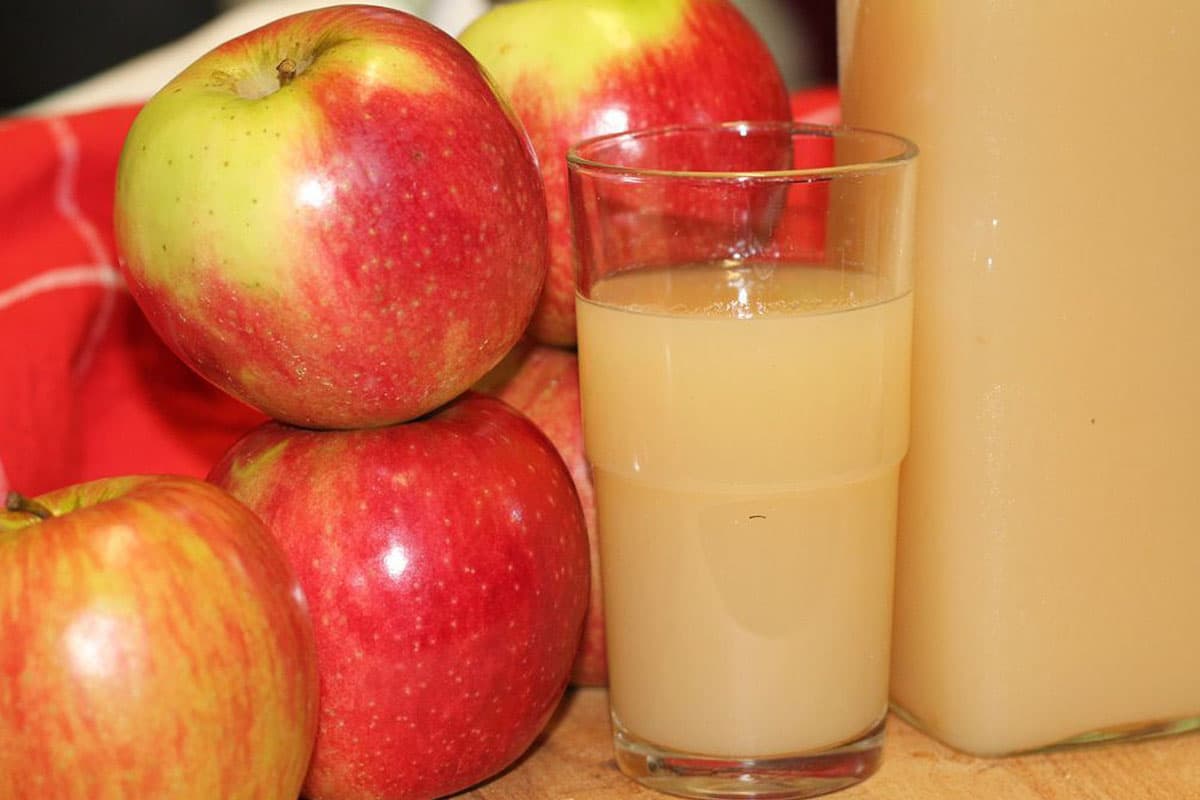
China is one of the biggest agricultural producers on the planet right now. Thanks to the huge demand, the country is said to rely on questionable methods to fulfill it. The country allegedly uses pesticides on crops! You would do better than to drink apple juice from China since the harmful chemicals might be present in the beverage. A couple of popular brands sold in the United States have been revealed to contain high levels of arsenic! This most likely comes from all the pesticides used on the apples. Yikes.
Apple Juice
Ginseng
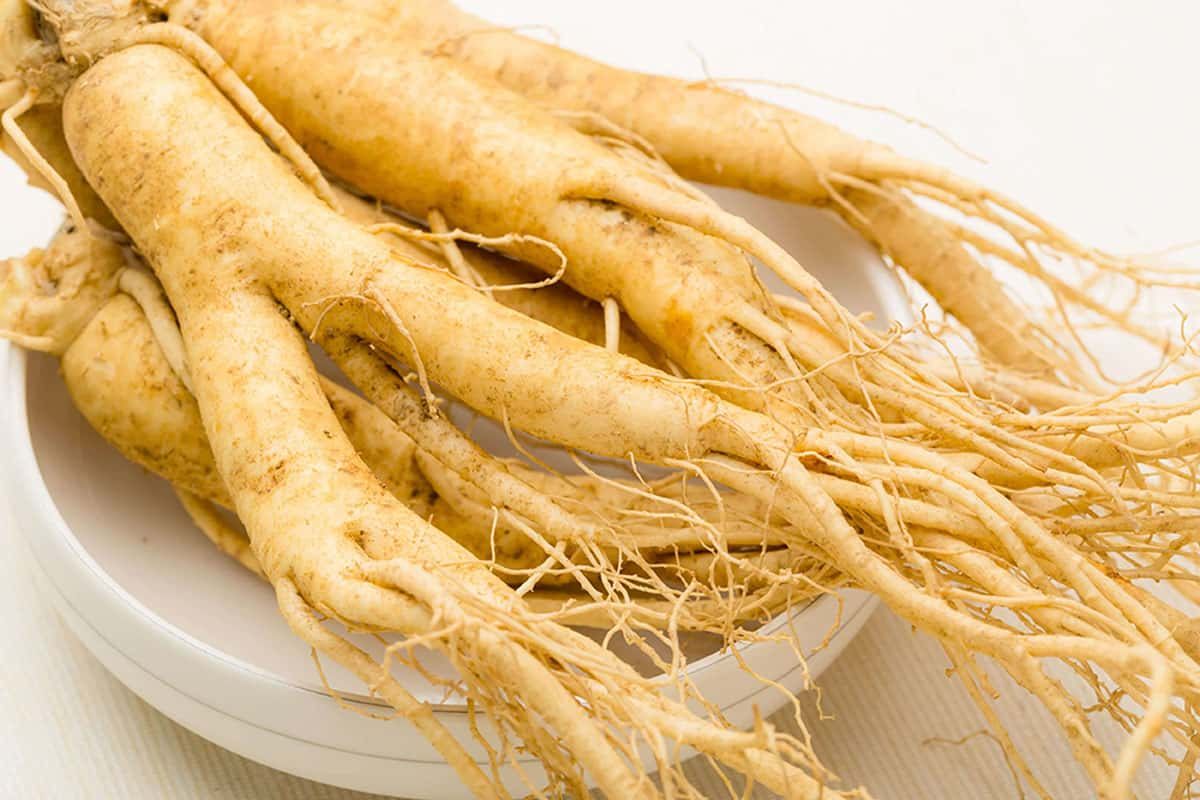
Did you know that a lot of the ginseng in the United States comes from China? It is one of the biggest exports of the Asian country! Sadly, this does not necessarily mean that it is safe for consumption. When Greenpeace tested the root crops from China, they found traces of chemicals and pesticides in varying amounts! On top of that, it was not simply one chemical. The roots contained various substances that are known to be bad for the human body. It is hard to find ginseng that does not come from China. For this reason, you might want to think about cutting out of your diet altogether instead.
Ginseng
Table Salt
You should never run out of table salt in the pantry! However, you can probably do without it if it means avoiding those that come from China. In reality, the Asian country produces a lot of salt. Sadly, we can’t guarantee that the process used in the production is safe. You see, Chinese salt is often filled with metals and substances that we should never consume. It is also said that this happens because the country is selling industrial salt as table salt. As you can imagine, no one should eat that if they want to stay healthy! Make sure to double-check your favorite brand on your next trip to the grocery store.
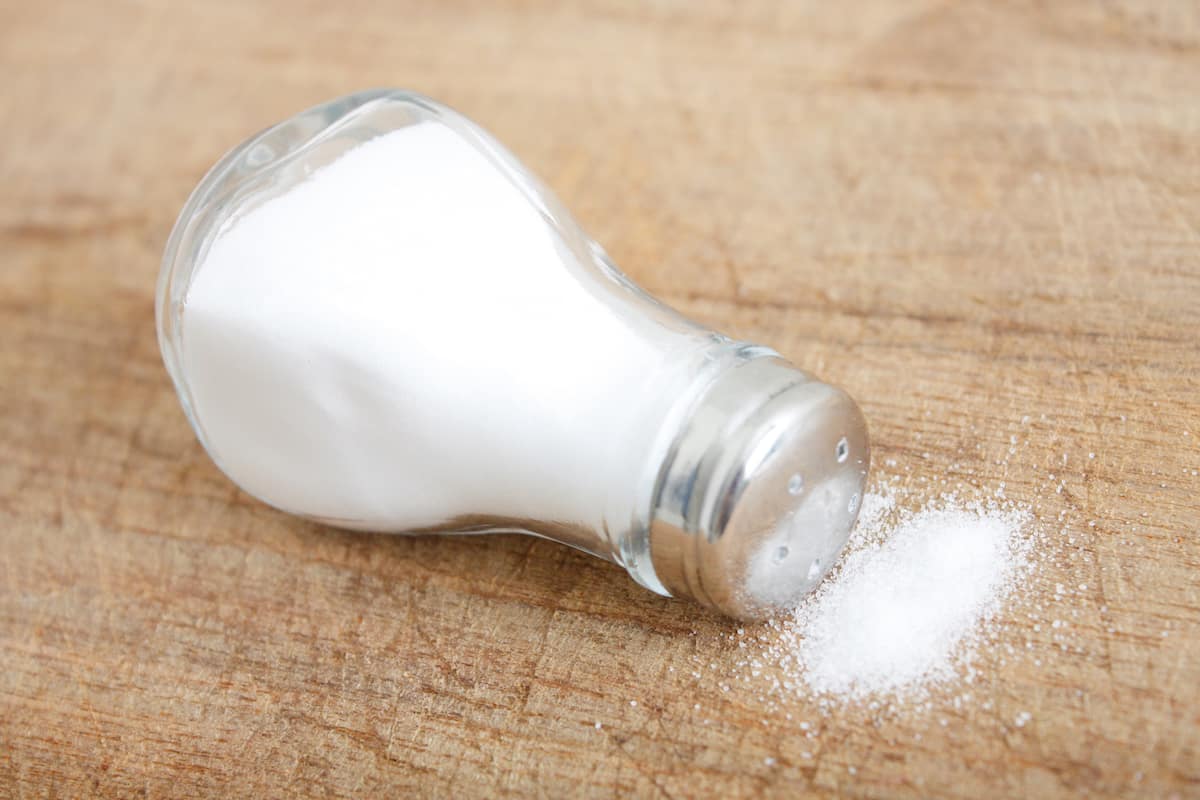
Table Salt
Watermelon
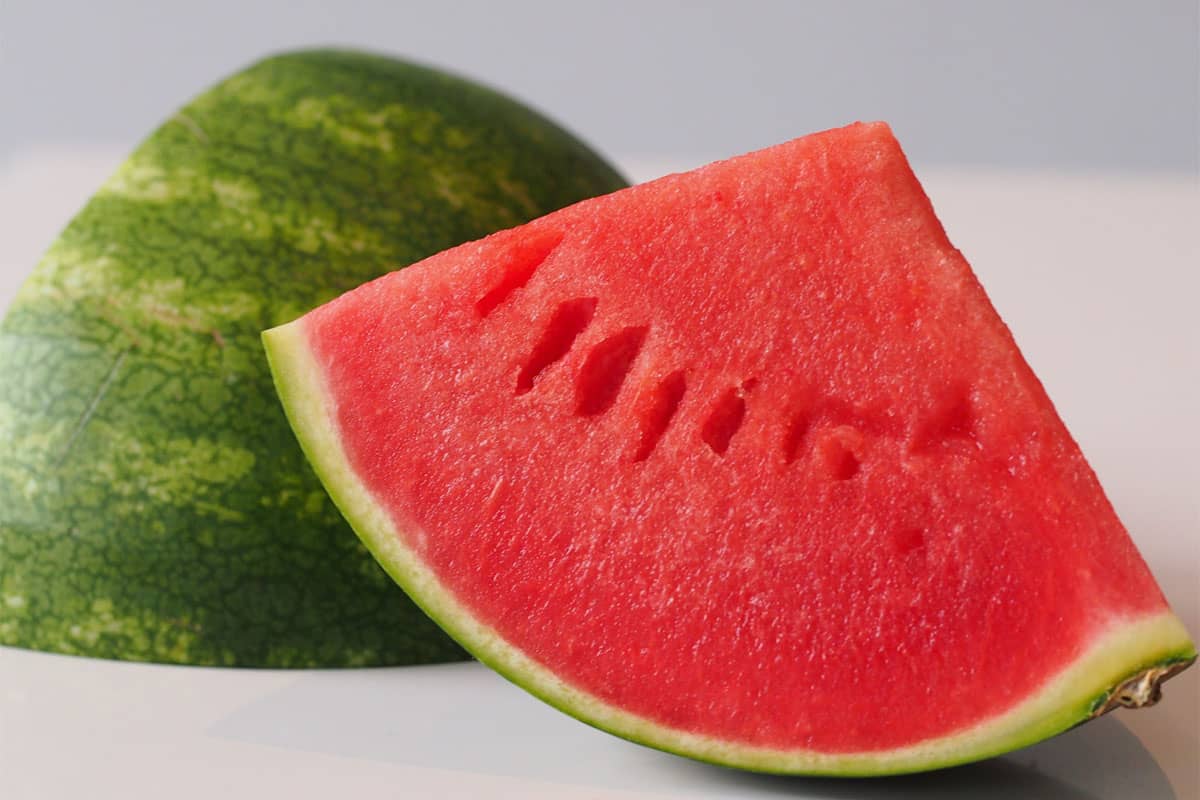
There are a lot of watermelons that come from China, but you should be wary of them. Like apples, they tend to be covered in pesticides. The chemicals are used to make them grow more rapidly and improve the rate of production. Sadly, the pesticides contaminate the insides. If you eat watermelon from China, you are probably introducing those chemicals to your body. As a rule of thumb, you should be better off buying local watermelons. We are sure that you do not want your family to get sick, after all.
Watermelon
Garlic
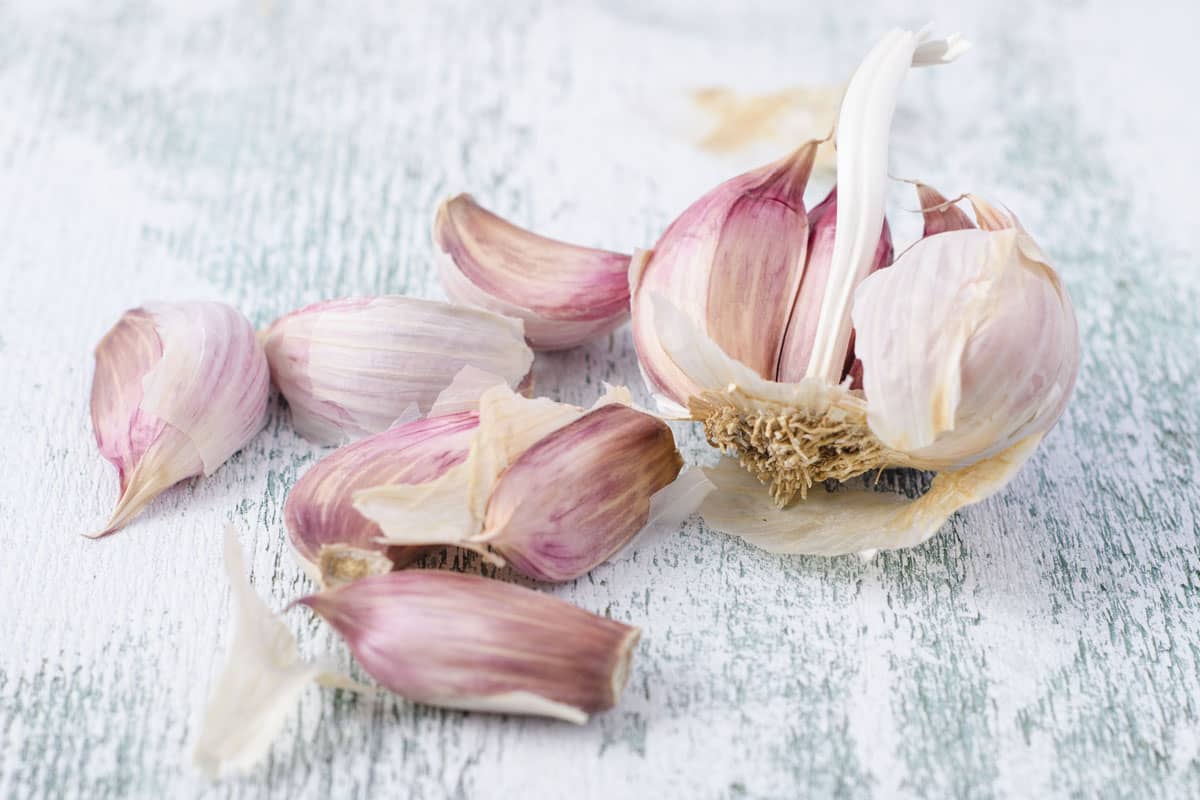
By now, you should have figured out that pesticides are a huge problem in Chinese agriculture. The country does not regulate their use, which is the reason farmers have no qualms about using them as much as they want. They do not hold back if it means making more money! Garlic is also affected by this problem since it is highly absorbent. If you eat garlic from China, you should keep in mind that you might be consuming a lot of harmful chemicals. We recommend that you avoid them for your own sake!
Garlic
Beef
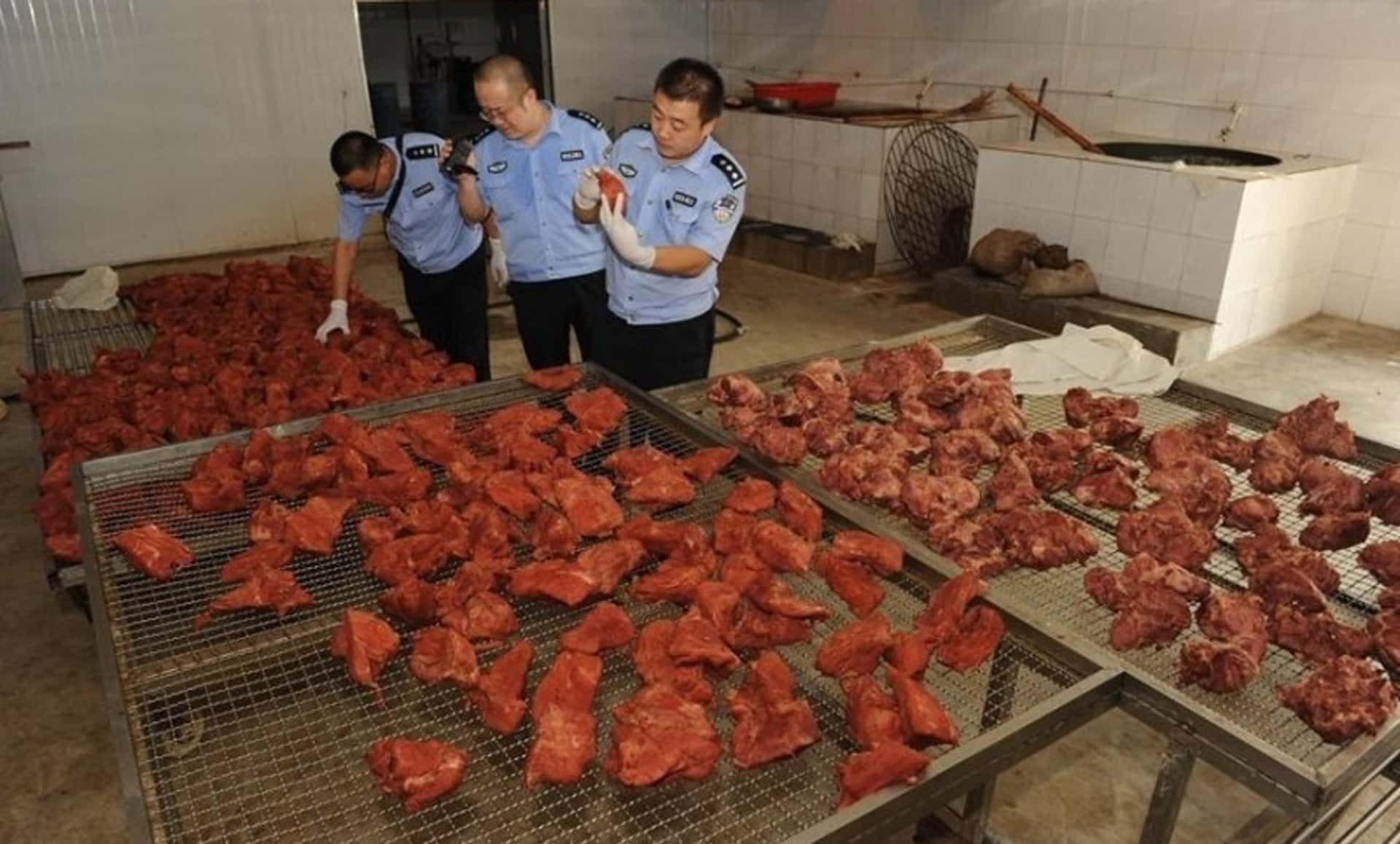
To be honest with you, it is a good idea to avoid buying meat from China. The manufacturing process is allegedly full of diseases and contaminants that can make any of us fall sick. Chinese meat shops prioritize quick production, so safety standards are not given as much importance. The meat supposedly comes in contact with disgusting stuff for this very reason. On top of that, the shops are said to mix a couple of things together to produce something that tastes and looks like beef. Do you really want to serve your friends and family paraffin wax and chemicals? It is simply not worth the risk, folks.
Beef
Rice Noodles
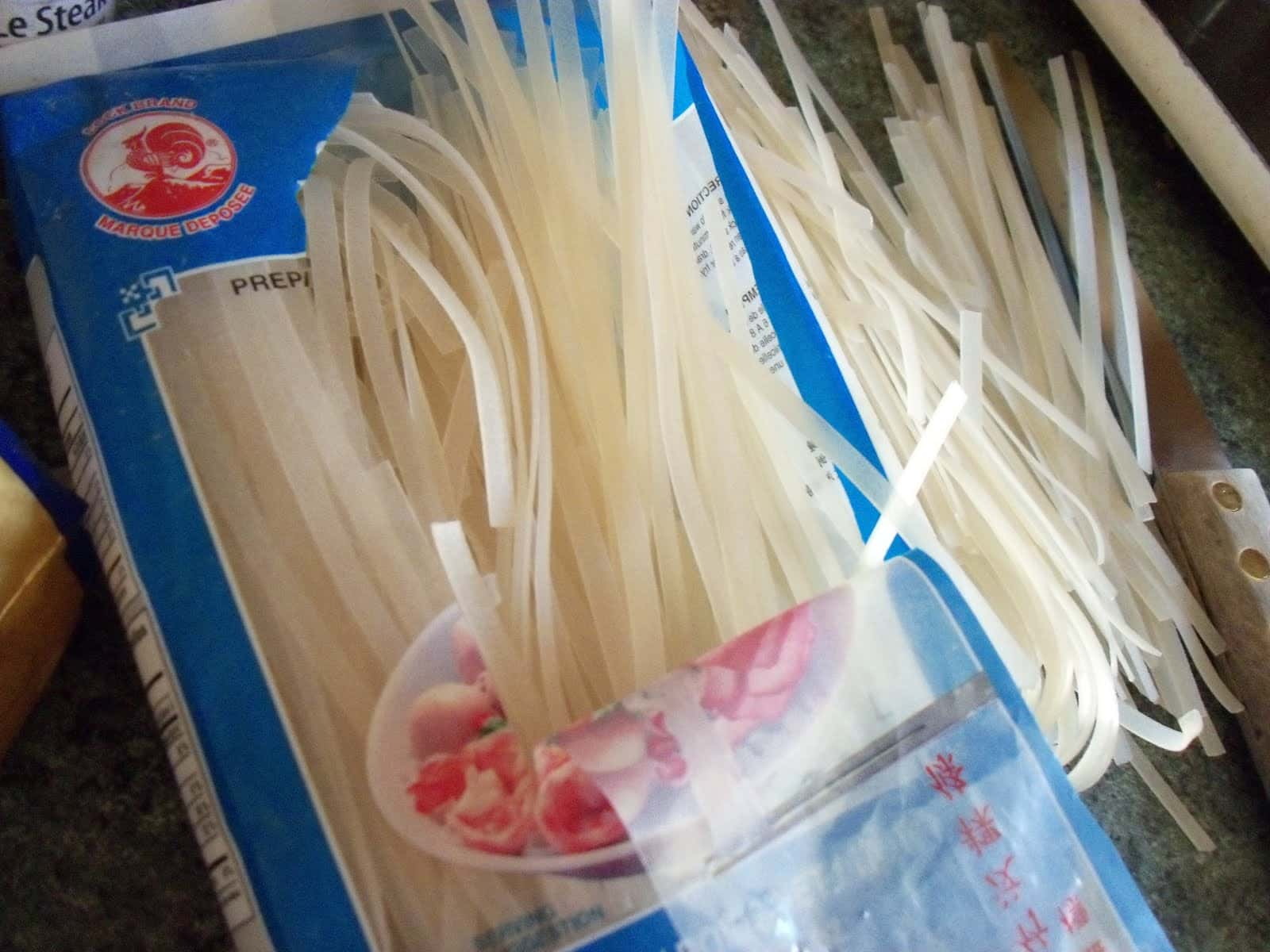
If you plan to make an Asian dish, it might sound right to buy rice noodles from China. You might want to think twice before you do that, however. They will probably add authenticity to the meal since they taste good. However, there are rice noodle factories that put sulfur dioxide in the product. The rumor goes that the chemical makes the noodles look “fresh.” Might we remind you that sulfur dioxide has been associated with cancer in the past? Your best bet is to buy it from a local store instead.
Rice Noodles
Baby Formula
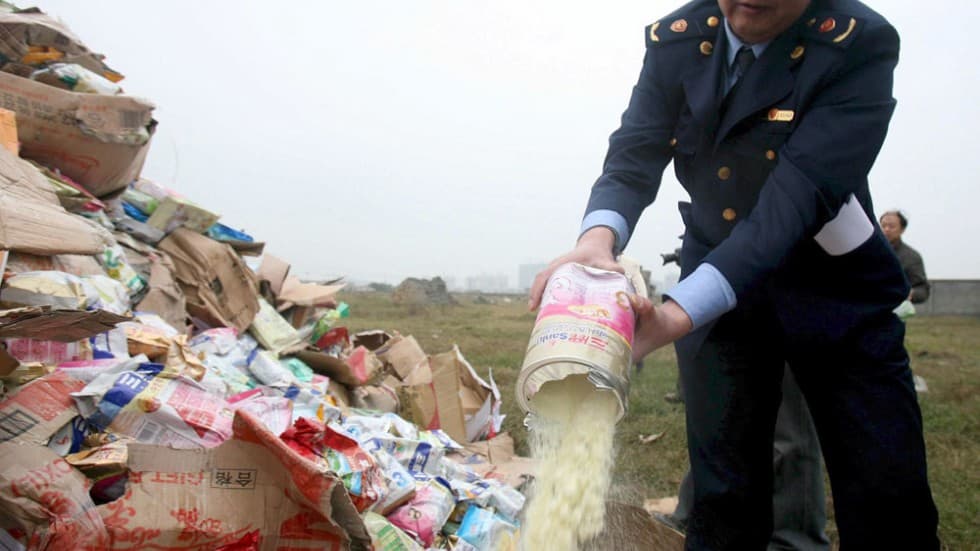
For some people, it is not too bad to consume something harmful every now and then. However, no one would willingly put their kid in harm’s way! You should always take a good look at the label when you buy baby formula. A couple of years ago, it came to light that certain Chinese manufacturers added melamine to baby formula to make it look like it has higher protein content. Mind you, this is generally used in plastics! When it is taken in high doses, melamine can make infants very sick. Uh-oh.
Baby Formula
Milk
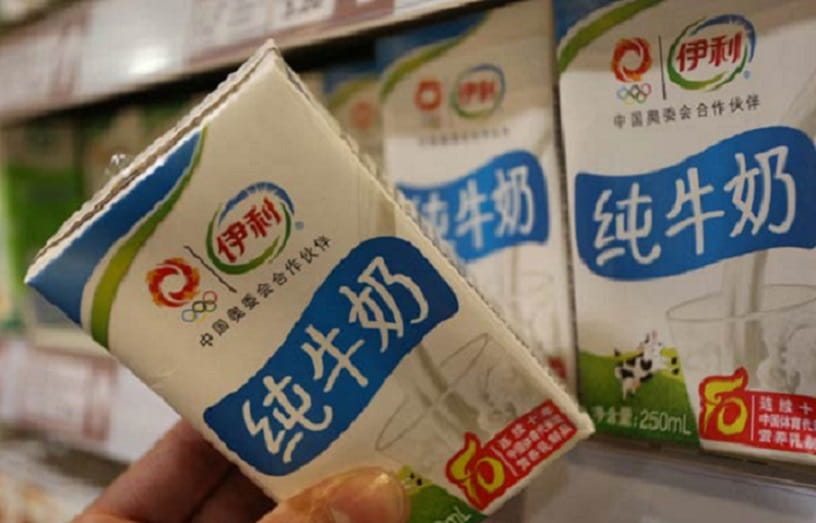
Baby formula might contain melamine, but the same goes for milk imported from China. When the chemical is consumed, it might wreak havoc on your kidneys. In fact, hundreds of thousands of people have suffered from severe illness after drinking that type of milk. You should opt for products made in different countries instead. We are sure that you do not want to poison the people that you love!
Milk
Rice
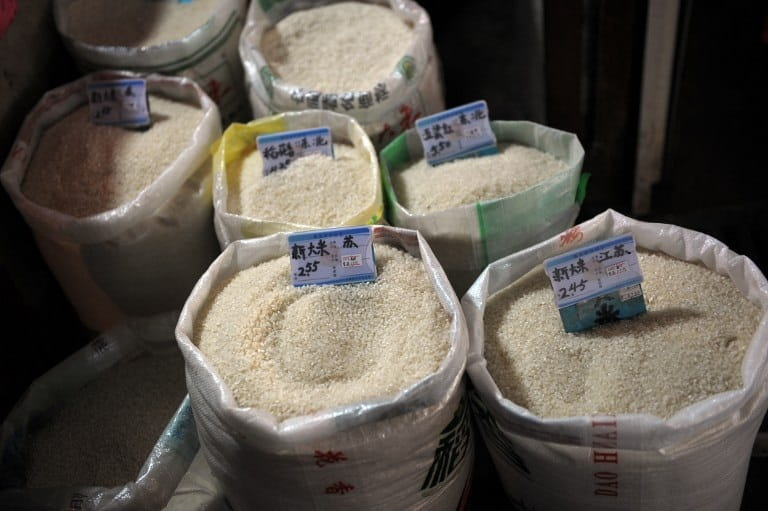
Like rice noodles, it feels like the obvious thing to do is to buy rice from China. After all, the Chinese have them with just about every single meal! We can see why you would think that, but this is not the case at all. There are Chinese rice factories that add a synthetic resin to the rice. You are not just getting plastic, but the chemicals tend to cause cancer as well. Keep yourself safe by buying it from a different source!
Rice
Shrimp
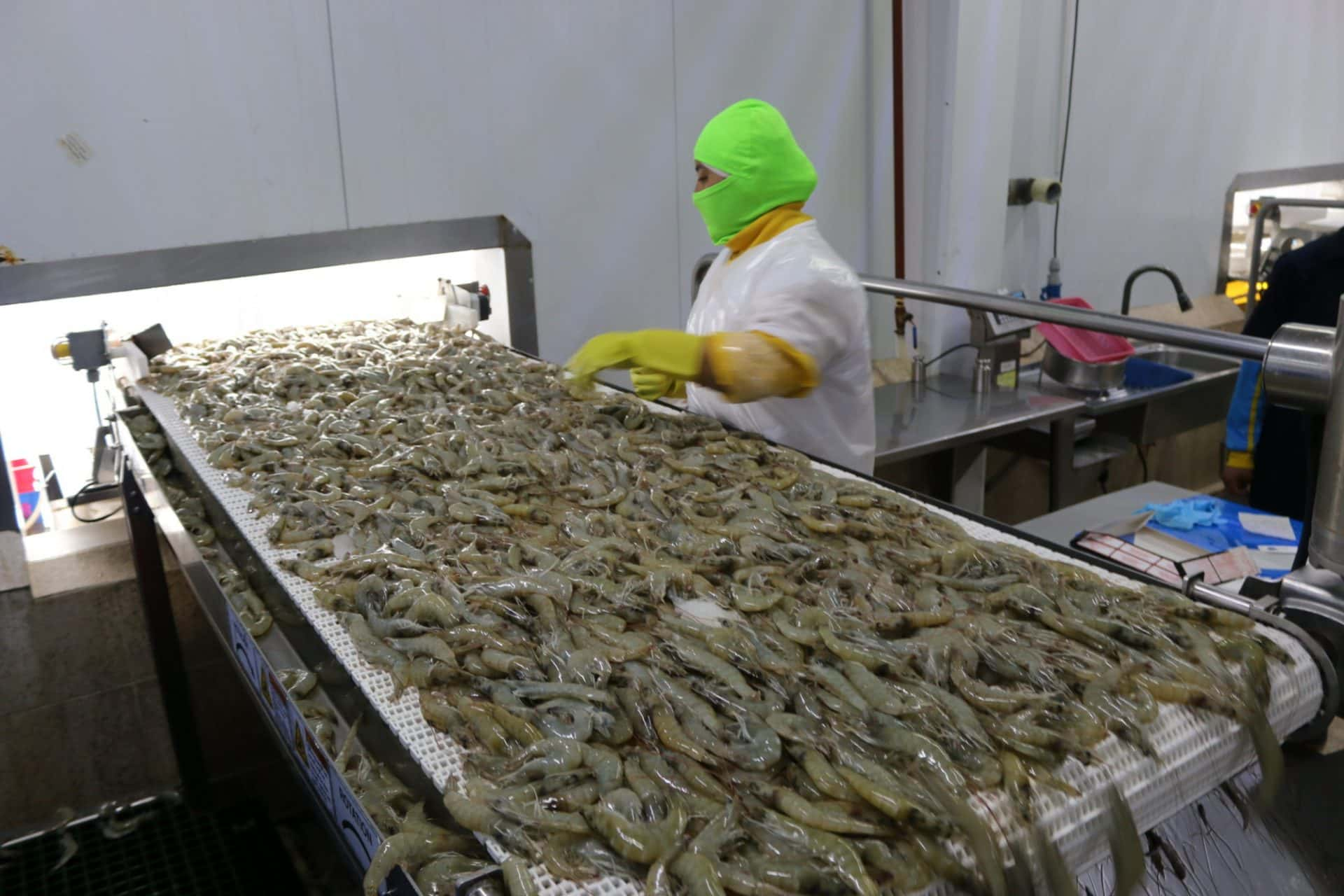
Like other Chinese seafood items, imported shrimp should be crossed out of your grocery list. A couple of years ago, the Institute of Environmental and Human Health food lab at Texas Tech University took a look at bags of shrimp from different stores across the United States. When the study came to an end, they found out that the samples all had chloramphenicol, carcinogen nitrofurazone, and enrofloxacin. The substances are found in illegal antibiotics in the country! Thanks to the conditions in the Asian country, the shrimp are exposed to them. The thought of it alone already has us shivering. Hard pass!
Shrimp
Tilapia
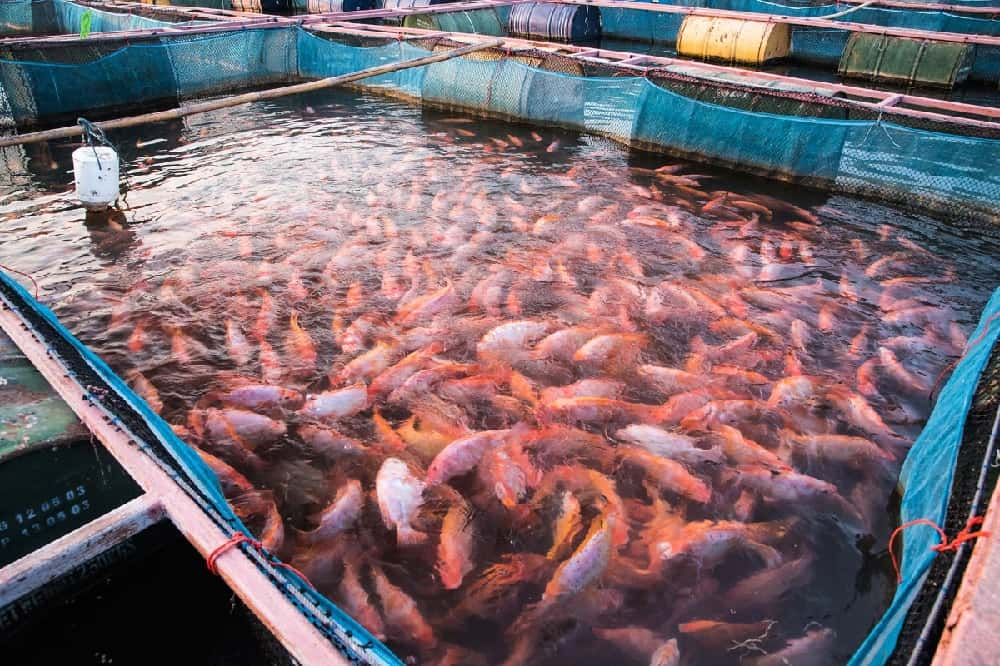
Do you eat a lot of tilapia at home? If this is the case, you might want to make sure that the fish does not come from China! They are typically kept in small tanks filled to the brim. The water typically has toxic chemicals and substances that should stay as far away from the human body as possible. Why should you stop buying tilapia from China? For one thing, they spent their entire lives submerged in water with chemicals that they could have absorbed. We can only guess what it would be like to eat them after that! No, thank you.
Tilapia
Cabbage
True, crop production does depend on the season. However, Chinese farmers do not want to lose their crops and go to various lengths to keep things up and running. When summer rolls in, cabbage turns wilted and then inedible. In an attempt to make these food items look good no matter the time of the year, farmers apply formalin solution to them. It might look good and be a veggie, but this does not mean that it is good for your health. The solution is used to keep it looking fresh, but it is not good for the body at all! It is a formaldehyde solution that is used as a disinfectant and can cause serious damage.
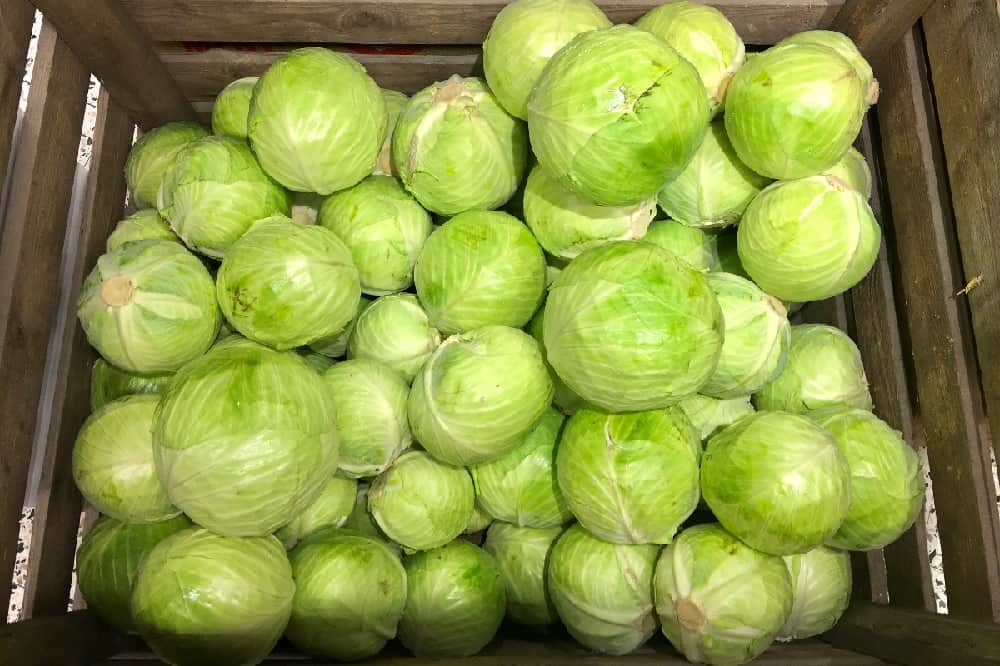
Cabbage
Canned Peaches
We are sad to report that canned peaches have made it to our list. The ones from China are not good for your health! It has to do with what is inside the treated fruits, as well as the cans that they are packed in. When Australian officials conducted a study, they found out that the cans are full of lead! There was twice the amount of it than was legal in each can. If you are curious, there are plenty of documentaries that show us the effects of lead poisoning. Among other things, it can cause kidney damage and reduced muscle coordination. No one wants that!
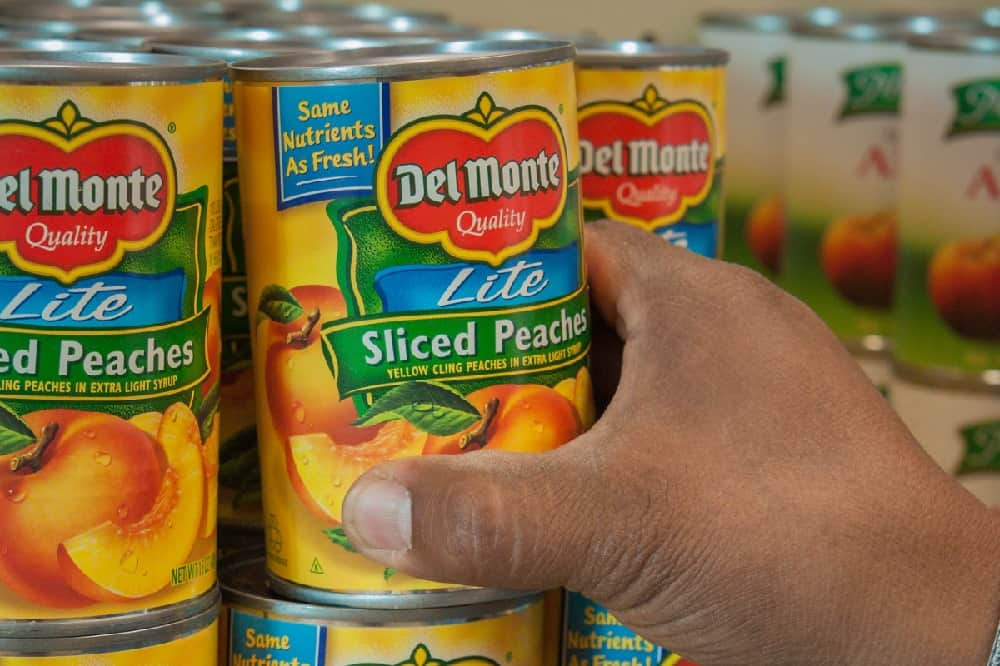
Canned Peaches
Canned Tuna
The same thing applies to canned tunas. Like canned peaches, this canned fish is bad for you thanks to the packaging that it comes in. However, there is another reason you should avoid eating canned tuna from China. Aside from the risk of lead poisoning, it also has a lot of other harmful substances typically found in fish from the region. Their fish farms are full of toxic chemicals and pollution, with the animals mostly feeding on animal waste. It is simply not the sort of thing that anyone wants to serve their family! The more you eat canned tuna, the more you threaten your health.
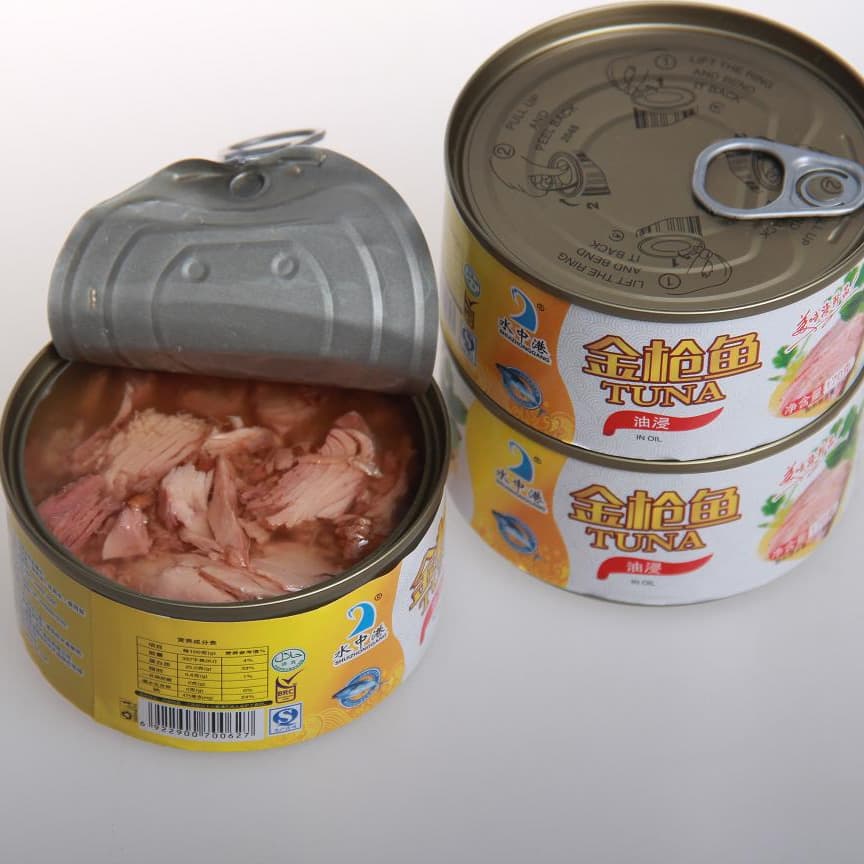
Canned Tuna
Cod
Sadly, this is also the chase for cod. You should know that these fish were raised under bad conditions in China. The animals are placed in small areas full of thousands of fish. It is already bad enough that the areas are crowded and dirty, but they are also teeming with garbage and sewage. Basically, cod was raised in toxic conditions. By eating it on a regular basis, you are letting all that toxicity inside your body! You should be thankful that we are here to give you the heads up about avoiding it.
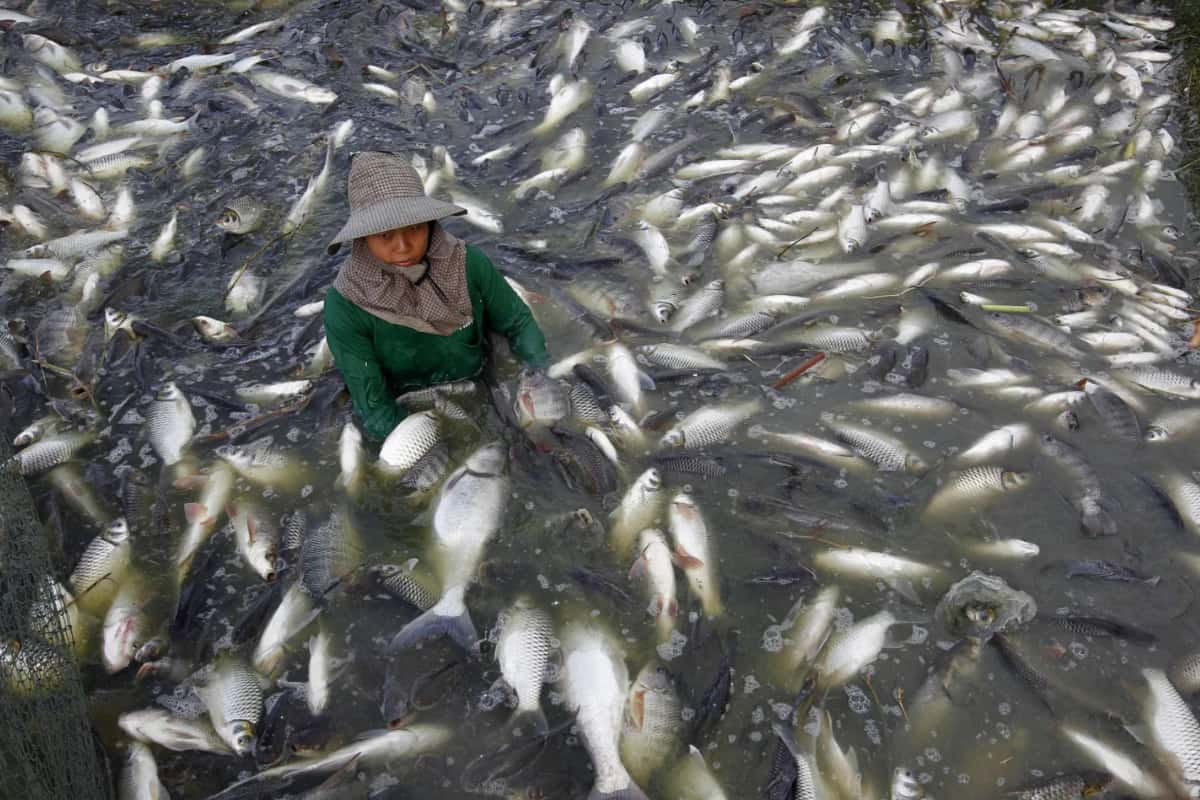
Cod
Mushrooms
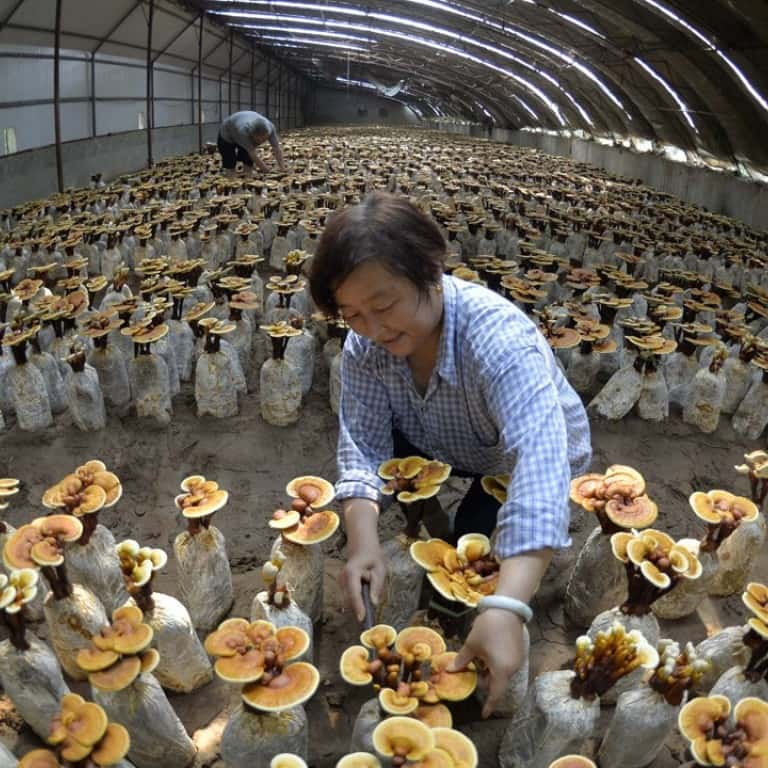
It is not hard to find tainted mushrooms from China. This product also suffers from pesticide use issues, but they are also mislabeled to fetch a better price. Apparently, manufacturers tend to add the “organic” label to regular mushrooms to score higher prices. They are already full of harmful chemicals, but the manufacturers also apply a preservative to keep it looking fresh. Food inspectors occasionally find issues with the mushrooms coming out of China. Do you want our opinion? They are not worth the risk. If you can’t do without mushroom, you can at least get the product from a different store.
Mushrooms
Lamb
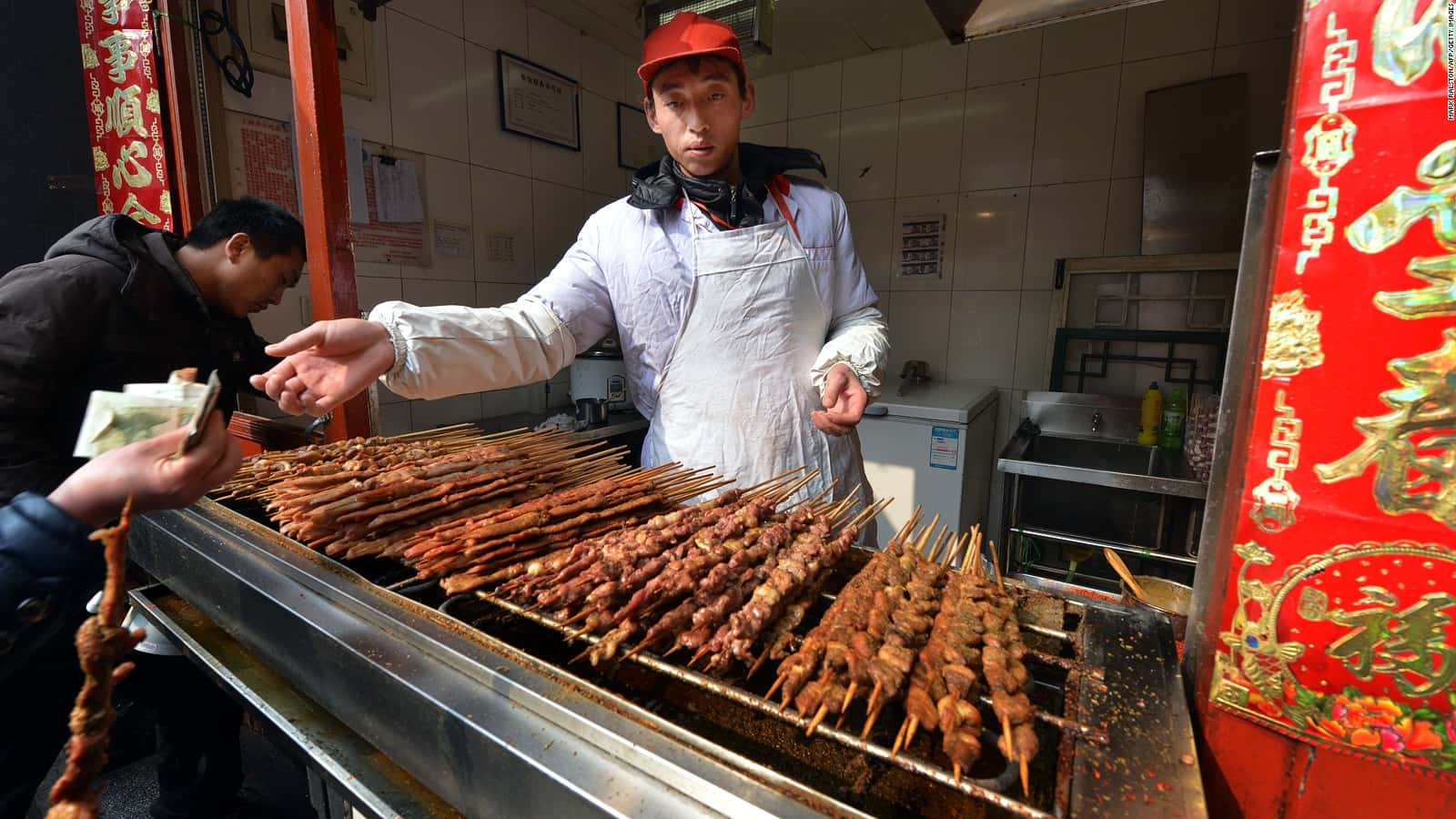
We are sure that you have heard all those rumors about how Chinese people eat weird stuff. Perhaps you even heard the rumor that they serve you something different than what you ordered. It is said that this is true for lamb. You are better off buying this meat from a different store! In 2013, cops arrested 900 Chinese locals trying to sell rats as lamb. They discovered 20,000 pounds of spoiled fake meat in the possession of the foreigners! How gross is that?
Lamb
Oil
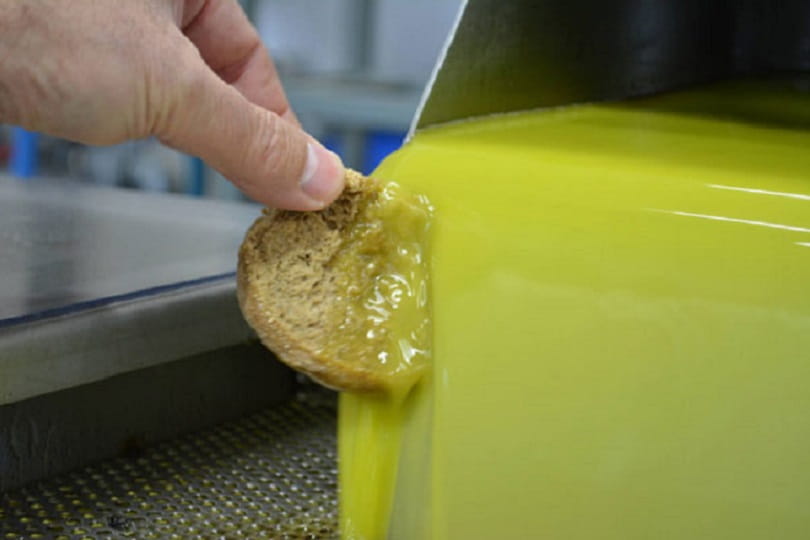
We have to say that not all of its oil is tainted. However, we are still considered by the lack of food safety laws that make it possible for certain manufacturers to make tainted products. In reality, oil sees a lot of this. There was a time when a huge Chinese food company took used oil from restaurants, filtered it, repackaged it, and sold it as new. If you are thinking of getting oil from China, do not forget that you might actually be using “cleaned” recycled oil instead of brand new. Honestly, we do not even want to know where the oil has been before that!
Oil
Tea
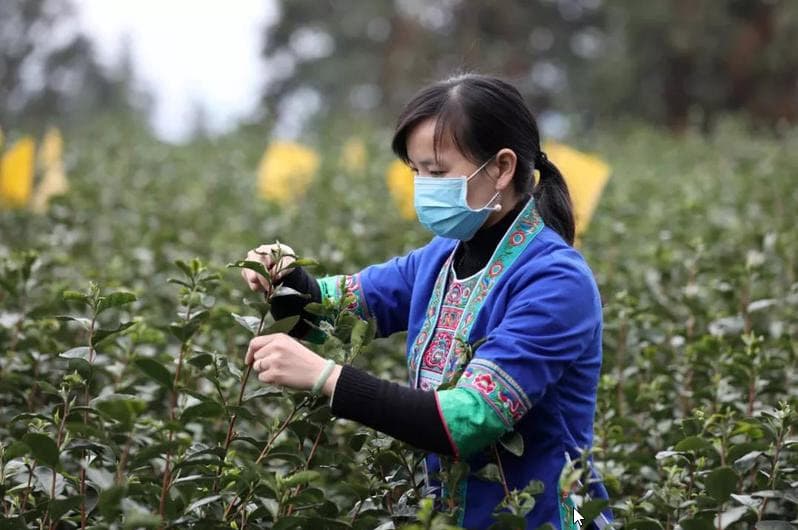
It is not a secret that the Chinese drink and produce a lot of tea! You might think that you are safe when you only get tea from them, but this is not actually the case either. Resist the strong temptation to get cheap tea from China. After all, it could contain almost 30 toxic chemicals! The good news is that these toxic teas typically stay within the country. However, we would rather not take the risk if we could.
Tea
Wine
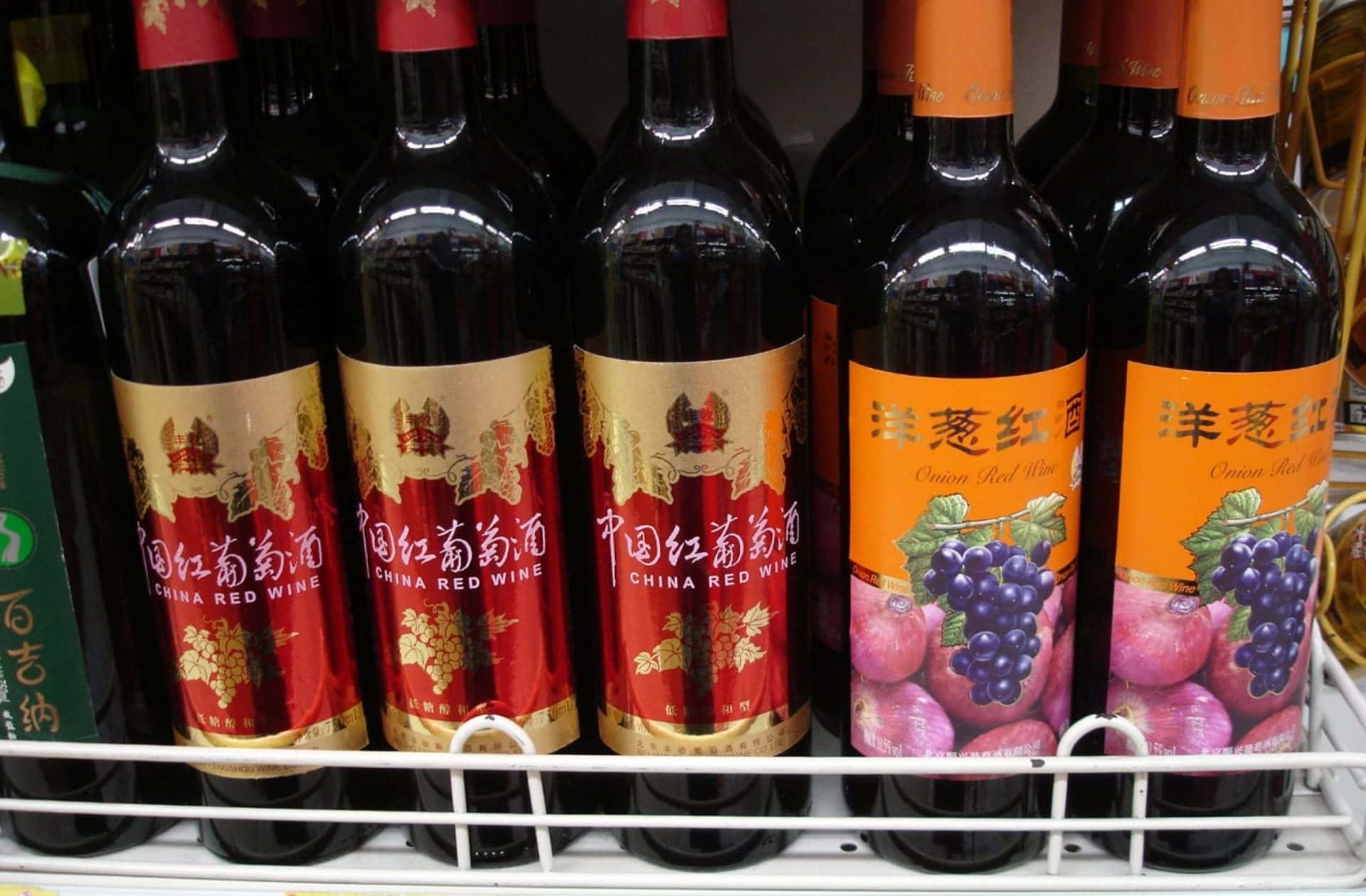
How much do you know about wine? There are a lot of places in the world that are better known for this product than others. For one thing, we all know about French and Chilean wines! But Chinese wines are a different matter altogether. For one thing, companies like to add dye, artificial flavor, and sugar to it.
Wine
Pork
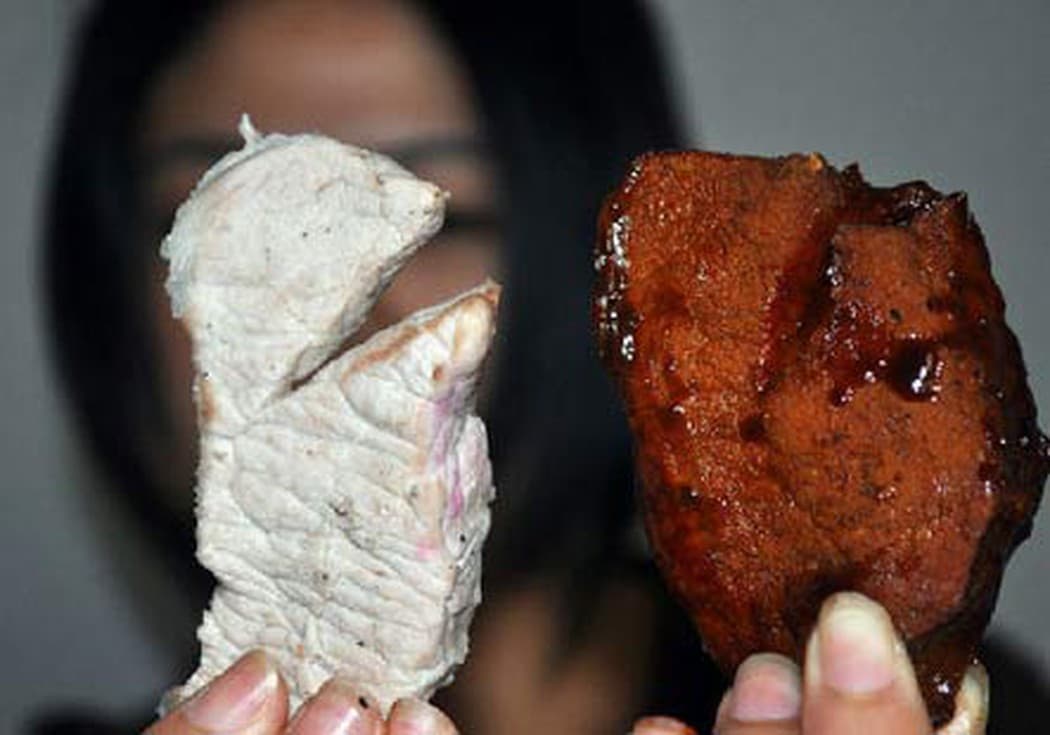
People in China often eat more pork than any other time of meat. There is a very good reason for this – pork is nearly half the price of beef. Sadly, it is actually a bad idea to buy it. To fix this issue, Chinese companies add borax additives that help pork look more like beef. You do not want to endanger the people that you love, right?
Pork
Soy Sauce
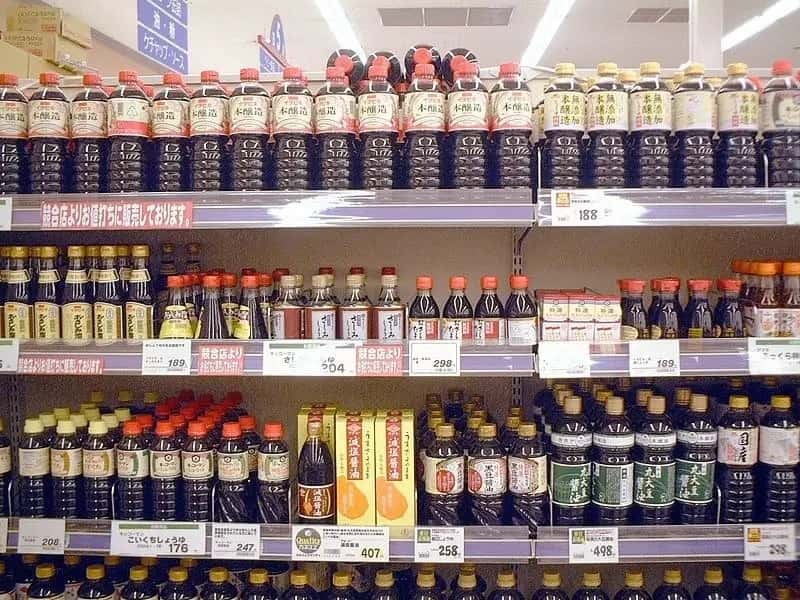
Even though it has high sodium content, you probably use a lot of soy sauce. It is the best condiment to add to white rice. A little goes a long way when you are cooking up an Asian dish. Sadly, some soy sauce from China has a cancer-causing chemical called 4-Methylimidazole. This is a problem that affects more than a quarter of all the soy sauces imported from the Asian country. If you want to ensure that no one falls ill, you are probably better off getting a bottle that hails from China.
Soy Sauce
Eggs
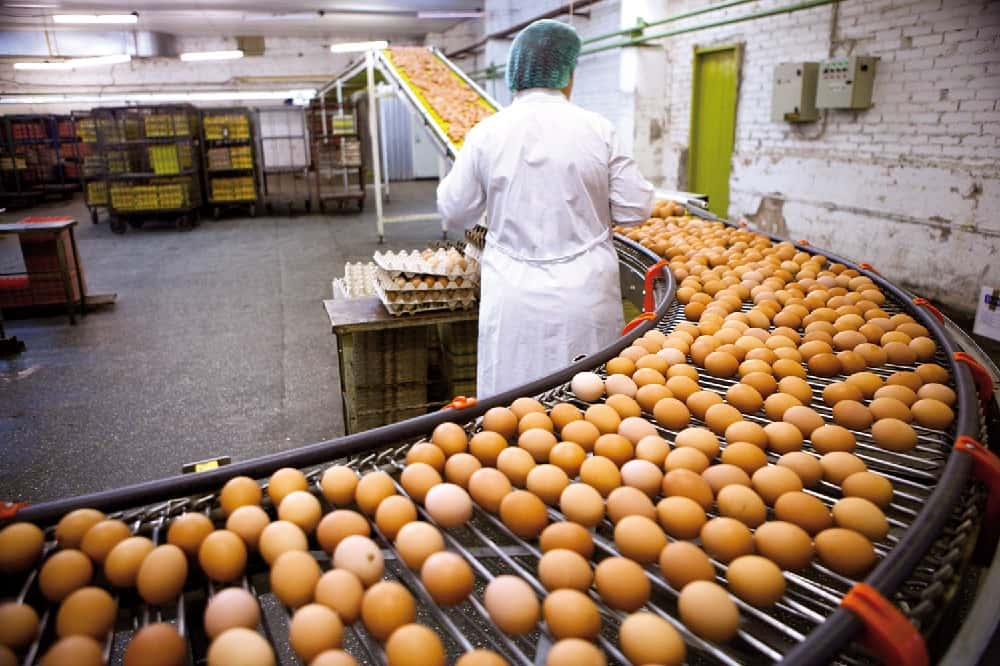
The truth is that we eat a lot of stuff that comes from China. Take eggs, for example. If you take a good look at it, you might find that they are not produced in local farms. You might be surprised when you hear that they instead come from across the Pacific: China. Their factories often add paraffin and calcium carbonate to the eggs. Yep, you might be poisoning yourself and the family without knowing it!
Eggs
Green Peas
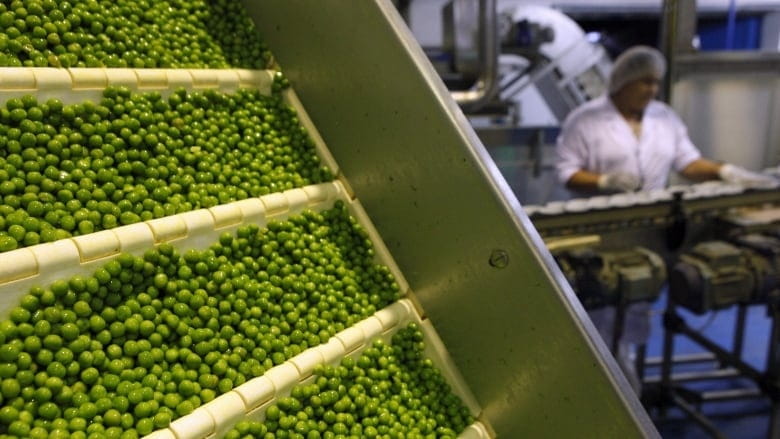
When it comes to veggies, you thought that you can’t go wrong with green peas! After all, they are high in antioxidants and fiber. Sadly, you have no way to know for sure that you are getting green peas. A lot of these products were made in a Chinese lab with the use of various products. You might think that you are munching on green peas, but it might just be a mixture of snow peas, preservatives, soybeans, and food bleaches. The thought of this is terrifying to us! It would be awful if you unwittingly gave this to your kids.
Green Peas
Bubble Tea
Bubble tea is very popular in many parts of the world. However, you should avoid drinks with tapioca pearls imported from China. In 2012, researchers from Germany found polychlorinated biphenyls in the pearls. These chemicals are dangerous in many ways. They are known to cause cancer, affect the nervous, reproductive, immune, and endocrine systems. After an investigation, a bubble tea shop owner disposed of the pearls: They were made in a chemical factory from old tires and leather shoe soles.

Bubble Tea
Shrimps
It is known that in China gels are used to add weight to shrimp and thus increase profitability. While some gels are harmless, other gels are chemically manufactured types and are used for printing and the furniture industry. They contain many heavy metals – including lead and mercury. Hardly anything you actually want to serve your own family, right?
According to the US Federal Statistical Office, around $ 150 million worth of shrimp were imported from China to the United States from January to October 2015. In 2015, the Food and Drug Administration (FDA) issued a warning for seafood imported from China, including shrimp.

Shrimps
Mutton
Remnants of fox, rat, and mink were found in so-called ‘mutton’. The whole thing contains gelatin, carmine, and nitrate, mixed with additional spices and then sold as alleged mutton. A few years ago, nearly 1,000 people were arrested for “meat offenses” over a period of three months. More than 20 tons of spoiled meat were confiscated. So we can only recommend you to stay away from these kinds of meat.

Mutton
Tofu
The soy product is very popular, especially among the vegetarians above us. In 2012, food safety inspectors in Hunan Province found that some manufacturers used animal products, iron sulfate, and even human feces to speed up the fermentation process. Therefore it can potentially be harmful to the consumers. You are exposed to polluted water runoff from industrial and waste disposal facilities, air pollution, and foodborne diseases like avian flu.

Tofu
Taro
In fact, $ 2.3 million worth of dasheen, a form of taro, was exported to the US in 2014, according to the US Department of Agriculture. Problems: A taro will turn slightly yellow or black within an hour after peeling, but some taros remain white for a long time in Wenzhou City, Zhejiang County. According to a report from Zhejiang Online, a news source in the area, some shopkeepers added dangerous amounts of sulfur dioxide to peeled taro and potatoes to lighten them and preserve them for long periods of time.

Taro
Corn
It is known that the United States imported 4.1 million pounds of frozen sweet corn from China in 2009, according to the US Department of Agriculture’s Economic Research Service. The problem with it is that some vegetable producers in China add sodium cyclamate, an artificial sweetener that has been banned by the FDA, to their corn. With this food additive, no matter how long customers cook it, the corn keeps its bright yellow color and tastes especially sweet, a major Chinese news broadcaster stated in Jilin Province. If eaten in large quantities, it can damage the liver.

Corn
Apple
Chinese apple farmers were already wrapping sacks of white chemical powder around the apple on the tree so that it came into direct contact with pesticides. In the manufacturing industry, workers wear face masks and gloves to avoid contact with the hazardous chemicals. Only two out of ten apples on the local market come from a local production. 3600 tons of apples come from China every year.

Apple
Strawberries
In October 2012, frozen strawberries from China contaminated with the norovirus were the trigger for acute diarrhea from vomiting, from which over 10,000 people, mostly children, and adolescents, suffered in many cities in Germany. In the field of already processed strawberries, packed in kilo goods, China dominates the German market with a share of 97 percent. We definitely did not expect this. Did you?

Strawberries
Bananas
In China, some producers use ammonia solutions to speed up the ripening of bananas. The green bananas are sprayed with ammonia solution and then wrapped in plastic wrap. Three days later, the bananas are ripe and yellow. However, this shortens the shelf life and the fruits rot from the inside. Therefore, it is definitely not recommended to eat bananas that come from China.

Bananas
Peaches
In Australia in 2014, the Institute for Consumer Protection found that Chinese canned peaches had twice the amount of lead allowed in food production. High levels of lead can damage the brain, digestion, and the reproductive system. Pregnant women and children should definitely avoid such contaminated fruits. If you want to stay on the safe side, you should definitely stay away from peaches that are coming from China.

Peaches
Black Pepper
Maybe you have heard of the famous Chinese black pepper. If anyone ever offers you to try it, you are better off not eating it. The Chinese laws are very lenient, as long as no one dies. This leads to many people selling mud and labels it as black pepper. Isn’t this crazy? Maybe no one will die from it, but it can still cause allergies and other dangerous infections. So be careful on your next visit to China.

Black Pepper
Plastic Rice
Police were turned on two days after a customer allegedly found plastic rice and another Meerpet customer complained about the same complaints. The police then confiscated the rice in a shop in Meerpet and took samples. Meanwhile, rumors surfaced on social media that plastic rice was being wholesaled to various stores in Andhra Pradesh, which caused the panic. In the meantime, a committee has been set up to review the novel method of rice forgery.

Plastic Rice
Water
Most of the food experts agree that there are serious problems with water in China. The water for the approximately 1.4 billion Chinese is already scarce. Now environmentalists are warning of water pollution in China. According to recent estimates, 60 to 80 percent of the groundwater is not potable. Not only soil but also waterways contain heavy metals, pesticide,s and industrial waste. The reason for this problem is that lakes and rivers are strongly polluted.

Water
Organic food
While in the US and the EU, organic food has to meet certain requirements, the rules in China look different. There are almost no government regulations about organic food production. Often times the farmers and inspectors work together when it comes to the misleading of the labeling in order to circumvent foreign custom inspections. This means that Chinese food that is labeled as “organic” is not nieces really organic. This is why it is really important to know where your food comes from!

Organic food
Chicken
You might want to think twice before you grab some chicken from China. Why is that? Well, avian flu and the like are rather common in the East. Chickens in China typically do not undergo the same training and standards for our consumption. Since you do not know if it is safe or not, you should just avoid it.
Chicken
China Has A Good Side Of Foods As Well
Even though China is popular with exotic foods and foods that will commonly make you sick if you are not used to eating them, there are also some popular foods in China that make everyone drool every time. Chinese Restaurants all over the world usually serve this kind of food and from our point of view, these are all tasty and worth every penny. Let’s stop with the negatives for now and try to see what China has to offer in terms of food.

China Has A Good Side Of Foods As Well
Chinese Fried Rice
Rice dishes are typical in China, but nothing is more beloved than the classic steamed Rice. Steamed Rice is always served alongside another dish. On the other hand, a meal can be completed by eating just fried Rice. Because it can serve the entire family and has proven popular in China. It is among the most sought-after restaurant appetizers. Though ingredients vary according to availability and tastes, protein sources like pork or chicken and veggies are consistently present.
Yangzhou Fried Rice, a favorite type throughout China, is found in Yangzhou, which is situated in the eastern province of Jiangsu.

Chinese Fried Rice
Hotpot
Hotpot, which is typically eaten while socializing, is famous in China for two reasons: it accommodates diverse taste buds and can be eaten with friends. While you wait for your food to finish cooking, you get to enjoy spending time with your friends who have gathered around.
Sichuaners love their food hot! You can start with whatever soup stock you’d like, then add almost anything. Sliced meats, shellfish, tofu, and various veggies make up the typical recipe. While trying Sichuan’s famed hotpot, you will need to watch for the chili, as it’s found where the dish first originated.

Hotpot
Chow Mein
Aside from rice, noodles are an essential component of Chinese cuisine.
In the world of Chinese cuisine, the term chow mein is derived from the Mandarin pronunciation Chao mian, which means “fried noodles.” Noodles are best when they are fried and dripping with oil. Fortunately for us, this appears to be very frequent throughout China, particularly in the northern provinces where oil is sprayed around like it’s nobody’s business. Sounds pretty delicious, right? Because it is!

Chow Mein
Lanzhou Hand-Pulled Beef Noodles
While we’re on the subject of noodles, Lanzhou hand-pulled noodles are a popular dish throughout China. These customs began in the western Chinese city of Lanzhou and have since spread throughout the country, particularly among Muslim communities. In a boiling hot soup, the fresh noodles are served with soft, thin pieces of beef and vegetables. This dish is easy to prepare, aromatic, and absolutely delicious!
Those visiting China and who want to sample Lanzhou noodles should keep a lookout for Muslim restaurants or perhaps a Muslim district in one of the country’s larger cities. And it’s simple to order even if you don’t speak a word of Mandarin because restaurants that offer these noodles frequently post large images of the dishes on the menu or even on the wall.

Lanzhou Hand Pulled Beef Noodles
Peking Duck
This one is indeed a tad touristic. However, no list of the best Chinese cuisine would be complete without including this fan favorite! Peking duck originated in Beijing, which was formerly known as Peking. It is a traditional Chinese meal. The duck is roasted until the skin is golden and crispy, and the meat is juicy and somewhat sweet, about an hour and a half total.
Be sure to stop by one of the world-famous Peking duck restaurants while you’re in Beijing. The duck is delicately wrapped in delicate pancake wraps (similar to crêpes) and frequently served with sliced cucumber on the side. The best ones tend to fill up quickly, so make your reservations early.

Peking Duck
Char Siu
Char siu is a Chinese term that means fork-roasted. However, in daily language, it refers to grilled meat, most commonly pig. The pig is marinated in a marinade that is both sweet and salty, and it is then chopped into thin strips.
This meal can be found in southern China, where sweeter dishes are more common than in other parts of the country. Char siu is one of those Chinese dishes that make you want to drool at the sight of it. Although it is possible to prepare Chinese food at home, I believe that the best Chow mien can only be found in China!

Char Siu
Braised Pork Belly
This is a traditional meal from the People’s Republic of China. To get a soft and supple texture, the pork belly is sliced into cubes and cooked for an extended time. Flavor and color are added by using ingredients such as ginger, garlic, sugar, and spices. In addition to a few simple veggies and steamed rice, this well-loved dish is frequently presented.
The province of Hunan has developed its own version of this popular meal. It is referred to as ‘Mao’s family-style red braised pork’ in honor of communist leader Mao Zedong who inspired the dish. According to legend, the Hunan version of this meal was one of Mao Zedong’s favorite dishes. Braised pig belly is a tad too fatty for my taste, but millions of people would disagree!

Braised Pork Belly
Fried Cabbage And Vinegar
This cuisine, which is both healthy and nutritious, may be prepared at home and served in restaurants. The cabbage leaves are simply fried in a pan with vinegar or chile, making it a delicious side dish to accompany almost any meal.
You’ll notice that many restaurants and families substitute potato for cabbage in their dishes. This meal, known as ‘tudou si,’ is another fantastic option if you’re trying to avoid meat or are managing your calorie consumption. If you want to make it at home, it will only take around 20 minutes to complete the process.

Fried Cabbage And Vinegar
Steamed Bun
A freshly steamed bun from a roadside food stall is the best way to warm up on a cold winter’s day in Beijing. The buns are inexpensive and delicious. Steamed buns with a variety of ingredients, including pork and pickled veggies, can be found anywhere.
It is recommended to avoid steamed buns altogether if your stomach cannot handle an excessive amount of gluten at one time.

Steamed Bun
Pancake
This is not the typical pancake that you might top with maple syrup or ice cream, as with many other Chinese street food favorites. Chinese pancakes (‘jianbing’) are a greasy, savory street meal that can be eaten for breakfast or as a snack at any time of day.
While the pancake is bubbling away on the hotplate, the egg, pickled veggies, sauce, and fluffy, crunchy wonton sticks are added to the top of the pancake. Yum! Many street vendors may attempt to upsell you by adding extra fillings such as Chinese sausage and roasted veggies to your bing.

Pancake
Dumplings
Dumplings are linked with Chinese cuisine. These delectable tiny jewels can be served boiled, fried, or simmered in soup. Our all-time favorite Chinese dumpling is the ‘xiao long bao,’ which you can see in the photo below. They’re soup dumplings made of pork and filled with broth.
They must be eaten with care; bite too soon and you’ll burn your lips; bite too late, and the soup will be lukewarm. The locals slurp the broth out of the dumplings after puncturing a hole in the dumpling with their teeth. This is also considered an art form!

Dumplings
Century Eggs
The Chinese are huge fans of eggs. In reality, the average Chinese individual consumes approximately 300 eggs every year. Adding eggs to various foods, including stir-fried noodles and desserts, is common practice in China.
The century egg is a classic egg dish that has been around for a long time. Up to 12 months (not a century) is allowed to preserve the egg, during which time the yolk turns green, and the egg white takes on the appearance of a brown jelly. I don’t mind eating the occasional century egg, even if it isn’t the most appetizing-smelling meal on the menu. Furthermore, it is unquestionably an acquired taste.
If century eggs aren’t your thing, a tea egg may be more your style. It’s another popular street meal in China, and you’ll see them simmering away in large, hot pots all over the place.

Century Eggs
Kung Pao Chicken
This is a meal that can be found in Chinese restaurants all around China and at Chinese restaurants in your home country of origin. Kung Pao chicken, also known as spicy chicken with peanuts, is presented in little bite-sized pieces.
For those who are unfamiliar with using chopsticks in China, I recommend requesting a spoon (shaozi) to assist you in devouring this delectable dish when traveling there. Because of the substantial amount of Sichuan peppercorns used in the preparation, the ‘authentic’ Kung Pao chicken will most likely be spicier than what you are accustomed to.

Kung Pao Chicken
Scrambled Egg And Tomato
This Chinese meal is one of my favorites! It’s straightforward, delicious, and readily available throughout China. The eggs and tomato slices are swiftly fried in a wok until they are cooked through. A touch of salt and sugar, and onion are sometimes added to give it a more delicious tanginess.
If you’re a vegetarian traveling to China, this is a fantastic choice for you to consider.

Scrambled Egg And Tomato
Ma Po tofu
A lot of vegans are tripped up by this meal, believing it to be nothing more than tofu cubes with chili and peppers. However, this hot cuisine from the Chinese province of Sichuan is packed with tiny bits of ground beef or pork.
Do you have a sensitivity to spicy food? Even if you request less chili from your server, the likelihood is that this meal will still burn your insides. It is a popular dish in China and is widely available.

Ma Po Tofu
Tasting Chinese Food
People in China pay close attention to their food’s color, fragrance, taste, and shape, with flavor being considered the “soul” or essence of Chinese cuisine. Chinese folks season their food with a variety of seasonings to provide a more varied flavor experience.

Tasting Chinese Foods
The 5 Flavors
The flavors of Chinese cuisine are generally divided into five categories: salty, spicy, sour, sweet, and bitter (in that order).
The Chinese place emphasis on the “he” harmony of the five flavors. As per traditional Chinese medicine, the harmony of the five flavors can not only enhance taste satisfaction, but it can also serve the function of attaining balance to promote health and treat diseases and assist in the recovery from injuries.

The 5 Flavors
Regional Flavors
The flavors of Chinese food vary from region to region across the country’s enormous territory, with one or two of the five flavors predominating in most cases. Flavor preferences can be influenced by geographical, climatic, agricultural, cultural, and historical characteristics.

Regional Flavors